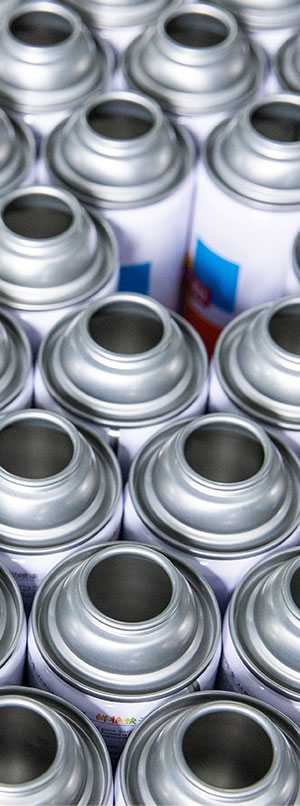
Aerosols (aerosol spray), as convenient products widely used in modern life, are almost everywhere, from hairspray and insecticides to spray paint. However, their seemingly harmless pressure containers— aerosol cans — conceal safety risks that cannot be ignored. This article will thoroughly discuss the possibility of aerosol can explosions and the preventive measures.
2025 Reports Suspected of Relating to Aerosol Can Explosions
Recent fire incidents suspected of involving aerosol cans have attracted attention.
On August 10 this year, a major fire occurred in a commercial building in San Bernardino, California, USA. A large explosion occurred at the scene, and small aerosol cans were thrown into the air.
https://www.youtube.com/watch?v=vq2nQ_fL7RI
On August 3, a Hong Kong-registered Chinese oil tanker was suspected to have exploded due to an aerosol can overheating during operations, causing a fire on the
https://www.54seaman.com/news/detail_14241.html
Starting in July, media in various parts of the UK issued safety warnings, reminding the public not to leave aerosol cans in cars during high temperatures to prevent explosions caused by thermal expansion pressure.
https://www.thesun.co.uk/motors/35790871/car-explosion-warning-heat/
On July 30, a similar car fire incident occurred in Lucan, Dublin, Ireland.
https://www.thesun.ie/news/15617903/dublin-lorry-fire-lucan-video-gardai-dublin-fire-brigade/
These real cases remind us: are aerosol cans explosive?
Are Aerosol Cans Explosive? — The Possibility of Aerosol Cans
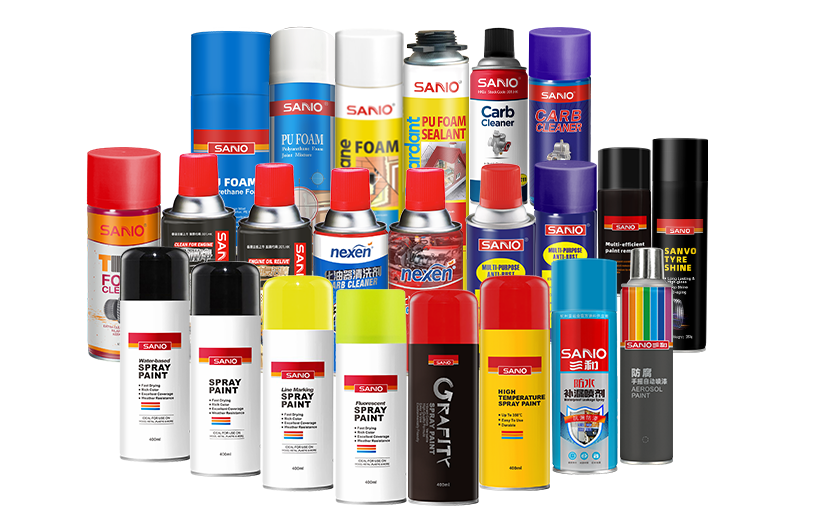
Four Main Components of Aerosols
· 01 Pressure-resistant container (glass, metal, etc., does not react with propellant or active ingredients)
· 02 Propellant (the power for spraying the internal contents, sometimes also acts as a solvent, such as propane, butane, CO2, N2)
· 03 Active ingredients (solid or liquid components, such as antioxidants, preservatives, stabilizers, solvents)
· 04 Valve system (sturdy, durable, structurally stable, valve material stable against internal contents)
When an aerosol can is heated, the propellant expands, leading to an increase in internal pressure. If the temperature is too high, the can body may rupture or explode. The specific temperature at which an explosion occurs depends on various factors, including the type of propellant, the can’s design, and external conditions.
How Explosive is An Aerosol Can?
The actual explosion of an aerosol can is more akin to a mixed form of pressure vessel rupture, jetting, and combustion. It may manifest as:
· 01 Can body deformation, bulging, and cracking
· 02 Metal fragments are being ejected
· 03 Sudden release of contents, accompanied by flames or combustion (if internal contents are flammable)
· 04 Impact, burns, rupture, or flame spread to surrounding objects
Further reading: Is Aerosol Bad for You?
Explore more: Can You Take an Aerosol Spray on an Airplane?
Common Causes of Aerosol Can Explosions
The main causes of aerosol can explosions are almost entirely related to heat and pressure:
1. Overheating exposure: Near open flames, heaters, stoves, or prolonged exposure to direct sunlight.
2. Physical damage: Can body suffers severe puncture, impact, crushing, or drastic deformation.
3. Improper disposal: Throwing unemptied aerosol cans into fire or incinerating them.
At What Temperature Will an Aerosol Can Explode?
There is no single “critical point” for the explosion temperature of an aerosol can. The following temperatures are for reference:
1. 49 °C (120 °F): The maximum storage temperature recommended on most aerosol product warning labels. Exceeding this temperature significantly increases the internal pressure, reducing the safety margin.
2. 65 °C (150 °F): General phenomena like aerosol can deformation and seal failure begin to occur, and the risk of rupture greatly increases.
3. ≥ 82 °C(180 °F): Under extreme high temperatures, most aerosol cans will undergo a “BLEVE” (Boiling Liquid/Expanding Vapor Explosion)-style explosion, accompanied by the projection of can fragments and a fireball effect.
Aerosol Can Explosion in Car
In summer, the internal temperature of a car parked under direct sunlight rises rapidly, especially on the dashboard or near windows, where the temperature can easily soar even higher. This temperature range is precisely at the explosion critical point for aerosol cans.
Therefore, leaving aerosol products such as hairspray, lighters, or cleaning agents in the car is an extremely dangerous act.
How to Safely Use and Store Aerosol Cans?
So what can be done in daily life to reduce the risk? The following aerosol can safety guidelines should be observed:
1. Keep away from heat, hot surfaces, sparks, open flames, and other ignition sources. No smoking.
2. Do not spray on an open flame or other ignition source.
3. Do not pierce or burn, even after use.
4. Protect from sunlight. Do not expose to temperatures exceeding 49℃ (120°F).
Conclusion
While aerosol cans are safe under normal use conditions, they do pose an explosion risk when combined with high temperatures, physical damage, or ignition sources. Understanding these risks and taking appropriate preventive measures can effectively avoid aerosol can explosion incidents.