Across the automotive service sector, many drivers ask the same question: are fuel additives worth it? From our experience working with vehicle maintenance products, the answer depends on how the additive is formulated and how it is used. A properly developed fuel additive is not a shortcut for serious mechanical faults, yet it can support routine engine care when carbon buildup, moisture, or fuel system contamination begin affecting performance. The key is to focus on practical maintenance goals rather than exaggerated claims.
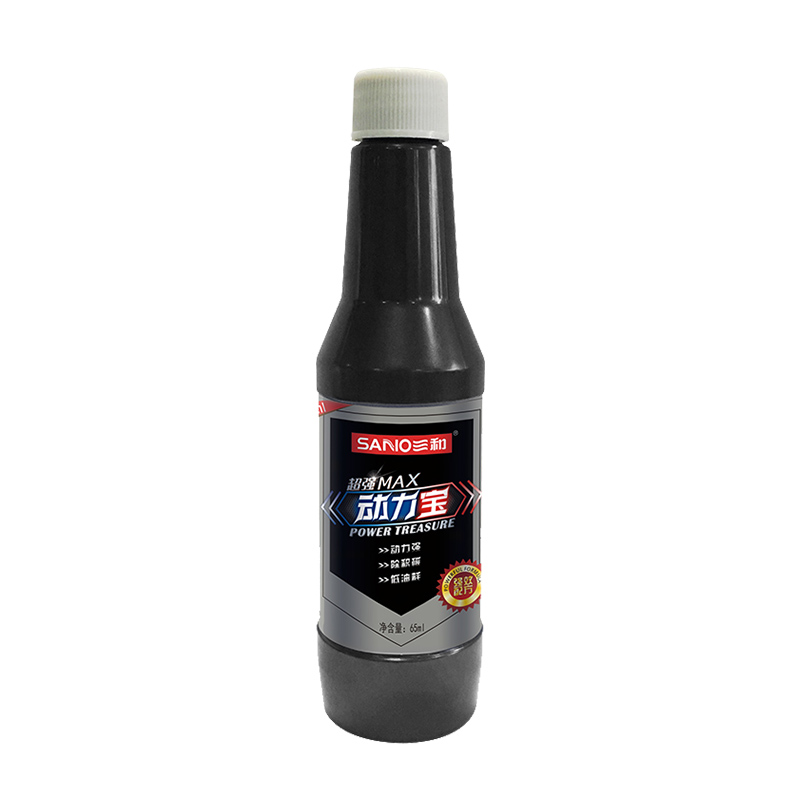
Why Fuel Deposits Matter
Modern engines operate under tight tolerances, and even minor carbon accumulation can affect fuel delivery and combustion quality. Deposits may form around the fuel injection nozzle, intake valve, piston crown, and fuel chamber over time. When this happens, drivers may notice unstable idle speed, weak acceleration, or rising fuel consumption.
Fuel additives are commonly used to clean these areas and support smoother fuel flow. According to product information provided by the manufacturer, some formulations are also intended to reduce harmful exhaust emissions while helping lubricate fuel system components. These functions can contribute to steadier engine operation during regular driving conditions.
In many workshops, technicians treat additives as part of preventive maintenance rather than a repair method. This distinction is important because fuel system contamination is only one possible source of engine performance issues.
What Drivers Should Expect From a Fuel Additive
One of the reasons people continue asking “are fuel additives worth it” is that expectations are often unrealistic. A fuel additive cannot repair damaged injectors, worn ignition parts, or internal engine wear. However, it may help maintain fuel system cleanliness and improve combustion consistency when used correctly.
Per official SANVO product specifications that fuel system cleaners can remove gum and carbon deposits while helping restore engine power performance. Some formulas also provide lubrication and rust prevention inside the fuel system. Features such as strong lubricity, moisture removal, and carbon cleaning are especially relevant for vehicles operating in humid or stop-and-go driving conditions.
Another practical point is compatibility. The linked specifications state that the cleaner is harmless to fuel system components and oxygen sensors, which is a concern frequently raised by vehicle owners before trying any additive product.
Product Design and Manufacturing Considerations
At SANVO, we focus on practical automotive chemical solutions developed for regular maintenance applications. SANVO fuel additives are formulated with cleaning and protective functions intended to support fuel intake system care while helping reduce carbon accumulation. Based on the published specifications, SANVO products also emphasize lubricity, rust prevention, and stable cleaning performance for automotive fuel systems.
The manufacturer data lists an 80ml content size, a shelf life of 36 months, and cleaning performance designed for fuel intake system maintenance. These technical details matter because consistency in formulation often has a direct impact on application results during routine service work.
Proper Usage Makes a Difference
Even a well-formulated additive must be applied correctly. Many maintenance professionals recommend adding the cleaner before refueling so the product can mix evenly with gasoline throughout the system. Regular intervals are generally more useful than excessive application.
Drivers should also remember that fuel quality, driving habits, and maintenance schedules all influence engine cleanliness. Fuel additives work more effectively when combined with timely oil changes, clean filters, and routine inspections.
For anyone still asking, “are fuel additives worth it,” the practical answer is that they can provide measurable maintenance support when used responsibly and paired with realistic expectations. Their value is usually tied to preventive care rather than dramatic performance gains.
Fuel additives continue to play a useful role in routine engine maintenance because they help address carbon deposits, moisture, and fuel system contamination before these issues become more noticeable. While they are not a replacement for mechanical repair, they can support smoother engine operation and fuel system cleanliness when applied properly. For drivers and maintenance professionals alike, the real benefit comes from consistent care, balanced expectations, and reliable product formulation.