Cars have many parts, and each part needs to be cleansed uniquely. You cannot use the same cleaning solution for all parts. For instance, brake systems have a solvent specifically designed to wash them.
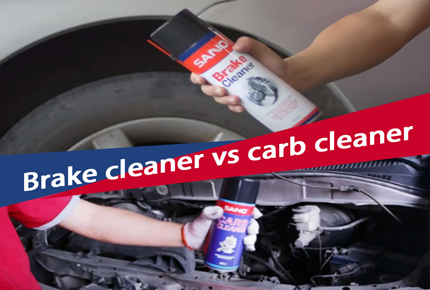
Read on to understand the difference between a brake cleaner and a carb cleaner and how to use them.
What is Brake Cleaner and How to Use it?
A brake cleaner is an aerosol spray made of chemicals that effectively remove oil, grease, dust, and debris from a vehicle’s brake components. Brake cleaners are designed to make them easier to spray on the intended parts. They are also efficient in removing brake shoes and pads dust from the system. Besides, these cleaners can also be used for other components of your car, including brake pads, brake drums, and shoe brakes. Watch video to learn how to use it.

What is Carb Cleaner and How to Use it?
A carburetor is a part of a car’s engine system that mixes fuel in the combustion chamber. It ensures that the mixture between fuel and air is well-balanced. Vehicles are different, and the location of carburetors varies depending on the car model. However, it shouldn’t be difficult to find when you have already seen the fuel lines. As their name indicates, carb cleaners are used to clean carburetors.
It is an intelligent thought to exercise regular maintenance on your carburetor so that its system doesn’t get clogged with dirt and debris. You will need a carburetor cleaner to cleanse and remove all these dirt particles, including built-up carbon. Make sure that you are cautious because the solvent can easily remove your car’s paint. Watch video to learn how to use it.

The Differences Between Carb and Brake Cleaner
Brake cleaner vs. carb cleaner? Get to know their differences.
| Aspect | Brake Cleaner | Carb Cleaner |
|---|---|---|
| Purpose | Cleans brake drums, pads, and other braking components | Cleans carburetors, throttle bodies, and fuel system parts |
| Safety Precautions | Gloves recommended; avoid inhalation and skin contact | 3Safer to use; gloves optional, but good ventilation is recommended |
| Residue | Leaves parts completely clean and dry | Leaves a thin layer of oil to protect metal surfaces |
| Material Compatibility | Not safe for neoprene, vinyl, rubber, or plastic | Safe for neoprene, vinyl, rubber, and plastic |
| Flammability | Highly flammable; keep away from sparks and heat | Flammable, but generally less volatile |
| Evaporation Speed | Fast-drying for quick cleaning | Slower-drying to allow effective cleaning and lubrication |
| Usage Frequency | Best for occasional cleaning during maintenance or repairs | Can be used more regularly for engine and fuel system upkeep |
| Cost | Usually slightly cheaper | Slightly more expensive due to specialized formula |
| Effect on Paint & Plastic | Can damage painted surfaces or plastics | Generally safe for paint and plastic surfaces |
| Environmental Impact | Strong chemicals, strong fumes; handle with care | Milder formula, but still requires proper disposal |
Key Takeaways:
- 🛑 Brake Cleaner:Use for stopping-system components like drums, pads, and calipers.
- ⚙️ Carb Cleaner:Use for engine parts like carburetors and throttle bodies.
- 🧤 Safety First:Always read the label, wear protective gear, and ventilate your workspace.
- Pick the right cleaner and your car will thank you—no accidental messes, no damaged parts, just smooth, easy maintenance.
Can you use Brake Cleaner instead of Carb Cleaner?
No, you shouldn’t use brake cleaner on a carburetor.
The tiny air and fuel passages in a carburetor are extremely easy to clog with debris or gunk. Brake cleaner isn’t formulated to handle this kind of buildup and can actually make things worse, potentially clogging the passages. If that happens, your carburetor won’t run properly, and you could end up causing more problems than you solve.
In short: brake cleaner can’t replace carb cleaner—always use the right product for the job.
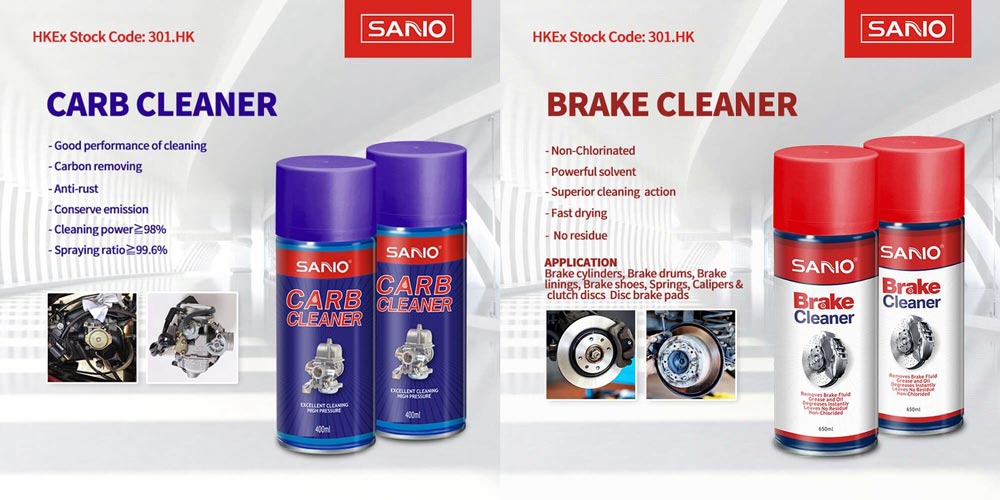
Buy the Best Brake Cleaner and Carb Cleaner from SANVO
Maintain top-notch braking and engine performance with SANVO brake and carb cleaners. Our brake cleaner quickly removes brake fluids and grease, saving you time and effort.
The carb cleaner, formulated with toluene, dichloromethane, and methanol, delivers fast, effective cleaning, dissolving dirt and carbon deposits to restore your carburetor’s optimal performance.
With over 30 years of experience, SANVO guarantees reliable, professional car maintenance solutions.
Conclusion
Brake cleaner is ideal for cleaning brake pads, drums, and other stopping-system parts, leaving them dry and grease-free. Carb cleaner works best on carburetors and fuel system components, removing dirt and carbon deposits to keep your engine running smoothly. Use each cleaner for its intended purpose to protect your car and make maintenance easier.
SANVO, as a manufacturer of hardware lubricants sealants & adhesives, specializes in aerosols, sealants, adhesives, and all the other chemical formulas in the global market.
SANVO is dedicated to innovating superior products, mainly for the automotive and hardware industries. Want to improve the condition of your car’s brake system and carburetor? Don’t hesitate to contact SANVO