Metallic finishes are often associated with visual appeal, yet their practical value goes beyond color alone. A coating has to interact properly with the material beneath it, form a consistent film, and remain suitable for the environment in which the finished object will be used. That makes China high heat spray paint an interesting search term, but heat performance should never be inferred simply from an attractive metallic appearance or an acrylic formulation. At SANVO, we consider surface material, application purpose, coating characteristics, and temperature conditions together before evaluating whether a spray coating fits a particular project.
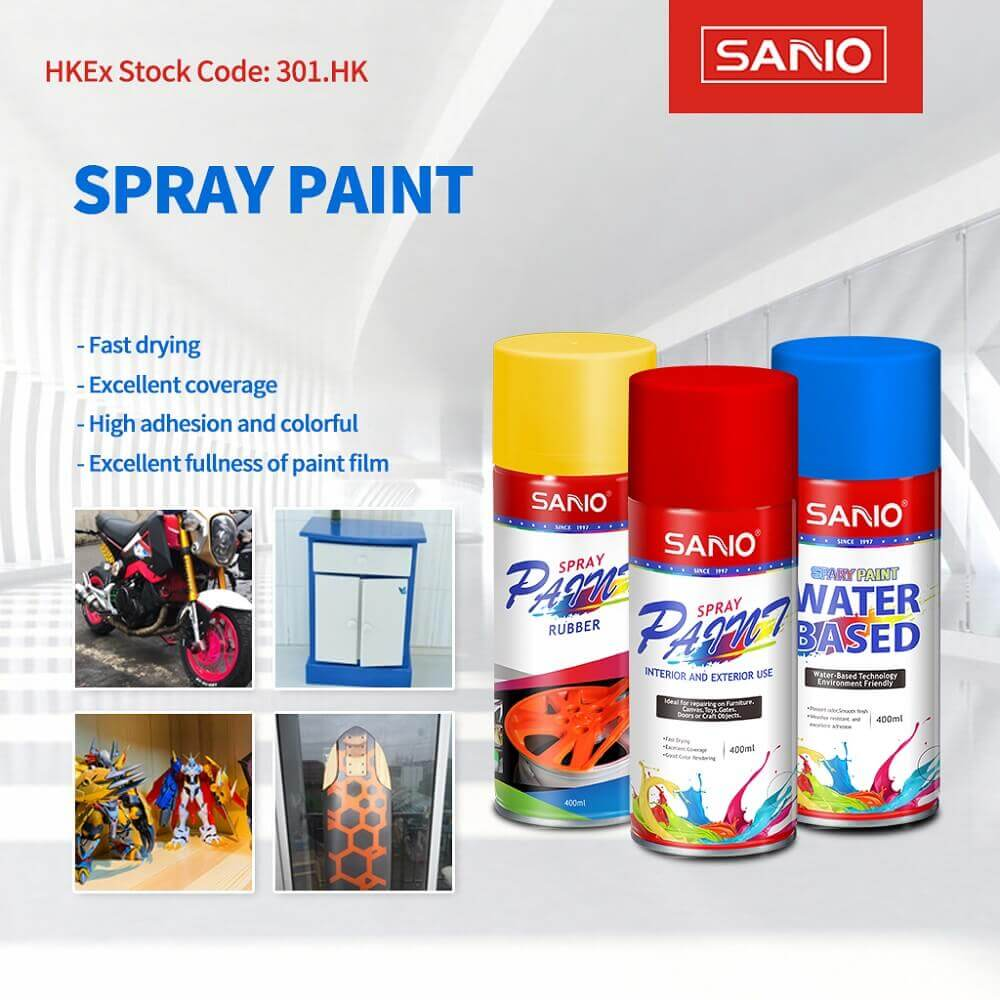
Acrylic Coatings And Their Material Compatibility
Acrylic aerosol coatings are commonly selected because they can provide a relatively convenient method for refreshing different surfaces. Metal, ABS plastic, and wood each have their own surface characteristics, so the coating has to interact with the substrate rather than merely sit on top of it. Porosity, smoothness, existing finishes, and contamination can all influence the final appearance.
Metal presents a particularly interesting case. Its relatively smooth surface can make defects, uneven film thickness, or poor preparation more visible after spraying. Plastic introduces another consideration because certain solvents may interact differently with ABS or other polymers. Wood, meanwhile, can absorb coating material into its surface and produce a different visual effect.
Heat-Resistant Formulation And Its Temperature Range
A heat-resistant coating differs from a decorative acrylic not only in appearance but in formulation. Our Heat-resistant Aerosol Spray Paint is an acrylic aerosol paint made with a heat-resistant formulation, designed for surfaces operating at temperatures from 400°C to 600°C. The product is intended for high-temperature objects including mufflers, exhaust pipes, radiators, chimneys, grills, and heaters, and is suitable for both indoor and outdoor use.
Its technical data lists fast drying, excellent coverage, and superior adhesion as key features. The composition includes acrylic resin, silicone resin, acetone, toluene, dimethylbenzene, ethyl acetate, and DME. Touch dry time is 10–15 minutes, hard dry time is 1 hour, and recoat time is 5 minutes. Glossiness is rated at ≥80° and can be customized, while film hardness is specified at ≥HB with adhesion rated Grade 1–2.
These specifications matter because thermal resistance is useful only when the coating can first form a stable film on the intended surface. Unlike a metallic decorative finish, which is positioned around decoration and appearance repair, a heat-resistant aerosol is selected for surfaces that will be exposed to sustained high temperatures.
Heat Resistance Requires Technical Context
Temperature changes the requirements placed on a coating. A surface exposed to mild warmth has a very different coating environment from one positioned next to an exhaust system or another continuously heated component. Duration, peak temperature, thermal cycling, and substrate expansion all influence the stress placed on the film.
That distinction becomes particularly important for buyers searching for China high heat spray paint. The phrase itself does not establish a specific temperature rating. Technical documentation should instead be checked for stated operating temperatures, resin chemistry, application limitations, drying conditions, and recommended substrates. Our product documentation specifies a 400°C to 600°C range, and the product is recommended for mufflers, exhaust pipes, radiators, chimneys, grills, and heaters.
Thermal exposure can also interact with other environmental factors. Moisture, chemicals, abrasion, ultraviolet radiation, and mechanical contact may affect a coating independently of temperature. A technically appropriate selection starts with the complete operating environment rather than one performance characteristic.
Preparing The Surface Before Spraying
Surface preparation has a direct effect on coating appearance and adhesion. Dust, grease, oxidation, loose material, and remnants of an incompatible coating can interfere with film formation. The technical data sheet recommends that the surface be free of dirt, grease, water, and wax before spraying. Even a visually attractive finish may reveal underlying surface defects once light reflects across it.
The preparation method should reflect the substrate. The product is recommended for metal, wood, glass, ABS plastic, and other substrates, so users should confirm compatibility and follow application instructions before coating an unfamiliar material.
Application conditions matter just as much. According to the technical data, the can should be vibrated for about 30 seconds before spraying, applied at a distance of about 20 cm, and built up in multiple thin layers with about 3 minutes between passes. Application temperature is specified at 15°C to 40°C, and use should be avoided in low-temperature or humid environments where relative humidity reaches 80% or above.
Selecting A Coating For The Actual Job
A useful purchasing process begins by defining what the coated component will experience after installation. Decorative panels, furniture elements, and automotive trim may be suitable for a metallic acrylic finish, while heated metal parts such as mufflers, exhaust pipes, radiators, chimneys, grills, and heaters call for a coating verified for the actual operating temperature. These performance requirements are not interchangeable.
Color availability can also matter in projects involving multiple components or recurring production batches. SANVO’s heat-resistant aerosol is available in white and black, with customization options for specific requirements. A broad palette gives designers and manufacturers more flexibility, while customized shades may help maintain consistency with an existing visual specification.
Conclusion
Good coating selection begins with the surface and the environment, not simply with a keyword, color name, or resin type. SANVO’s Heat-resistant Aerosol Spray Paint provides a documented 400°C to 600°C operating range, fast drying, strong adhesion, making it suitable for mufflers, exhaust pipes, radiators, chimneys, grills, and heaters. Metallic acrylic aerosol paint, by contrast, serves decorative and appearance-repair work across metal, ABS plastic, and wood. At SANVO, we approach these decisions by looking at how formulation, substrate, appearance requirements, and operating conditions intersect. That perspective makes China high heat spray paint easier to assess accurately and helps buyers distinguish an attractive finish from a coating intended for sustained heat exposure.