When working with electrical components, understanding the materials around them is crucial. Silicone sealant is a popular choice for sealing gaps, protecting surfaces, and preventing moisture intrusion, but questions often arise about its interaction with electricity.
This article explores the electrical properties of silicone sealant and offers practical guidance to help professionals use it safely and effectively.
Does Silicone Conduct Electricity?
Silicone itself is generally non-conductive. In simple terms, the molecular structure of silicone polymers does not allow electric current to pass through easily. They lack free electrons, which are required to carry electrical charge. Because of this property, silicone is commonly used as an insulating material around wires, connectors, and electronic components.
Silicone also performs well as a dielectric material. It can withstand electrical stress and resist current flow even when voltage is present, which helps protect nearby components from short circuits or leakage. This is one reason silicone sealants are often applied in environments where moisture protection and electrical safety are both important.
It is also important to clarify that silicone is neither a metal nor a semiconductor. Its electrical behavior remains insulating unless specially formulated. Conductivity only changes when conductive fillers such as carbon or metal particles are intentionally added to the silicone compound.
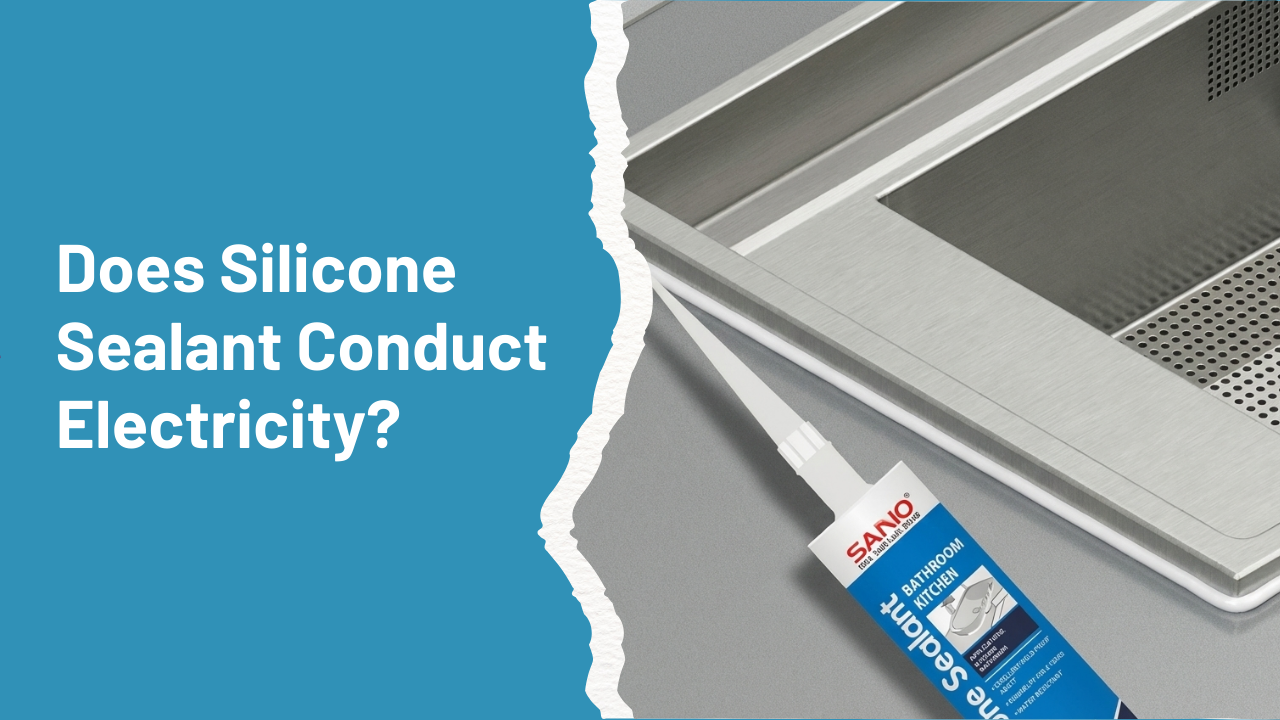
Does Silicone Sealant Conduct Electricity?
Standard silicone sealant does not conduct electricity once it has fully cured. While silicone is the base material, a finished sealant is a formulated product designed to provide sealing, adhesion, and insulation after the curing process is complete.
There is an important difference between raw silicone material and cured silicone sealant. Raw or uncured sealant remains in a paste or gel state and has not yet developed its final insulating properties. Electrical insulation performance applies only after the sealant has fully cured and formed a stable, rubber-like structure.
This curing condition often causes confusion. Uncured sealant may interact differently with moisture or surrounding surfaces and should not be relied on for electrical insulation during installation. Specialized conductive silicone sealants do exist, but they are engineered for specific applications and are not intended for general sealing or insulation tasks.
Practical Electrical Scenarios Installers Should Know
Silicone sealant is commonly applied in areas where electrical components need protection from the environment. This includes cable entries, electrical enclosures, junction boxes, and outdoor fixtures. In these situations, the sealant helps prevent moisture, dust, and debris from entering sensitive areas, reducing the risk of corrosion or short circuits.
Silicone sealant also adds a layer of electrical insulation, creating a barrier that complements the existing components. However, it does not replace certified insulation or protective devices required by electrical standards. Choosing the right type of sealant and following proper installation practices are essential to ensure both long-term protection and electrical safety.
Safety and Application Considerations
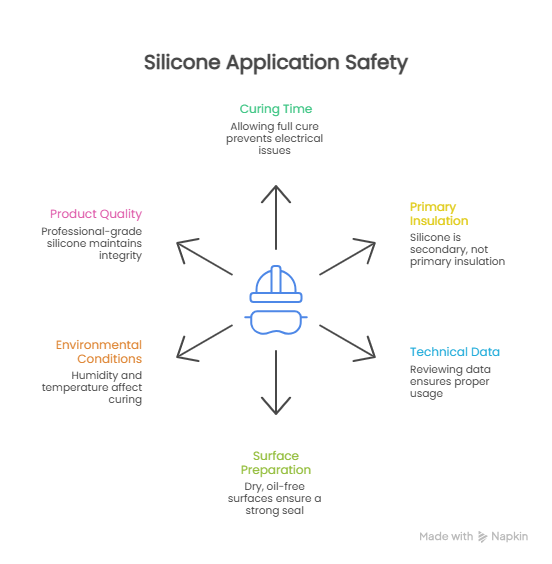
Maintaining safety on the job site requires a disciplined approach to how and when silicone is applied. Installers must allow the sealant to reach a full cure before energizing any nearby circuits. Because the chemical transition from a liquid to a solid affects the material’s dielectric properties, activating a system too early can lead to unpredictable results or equipment failure.
While silicone provides an excellent secondary barrier, it should never serve as the primary form of electrical insulation. Standard safety protocols dictate that wire jackets and mechanical connectors must remain the first line of defense against shocks or shorts. Before beginning an installation, always review the technical data sheet for the specific product. These documents provide precise values for dielectric strength and maximum operating temperatures, ensuring the sealant can handle the thermal load of the environment.
Reliable performance ultimately depends on three critical factors:
- Proper Application: Surfaces must be dry and free of oil to ensure a continuous, gap-free seal.
- Environmental Conditions: High humidity or extreme cold can alter curing times and long-term adhesion.
- Product Quality: Using professional-grade silicone ensures the material maintains its insulating properties without degrading over time.
Silicone Sealant from SANVO Chemicals
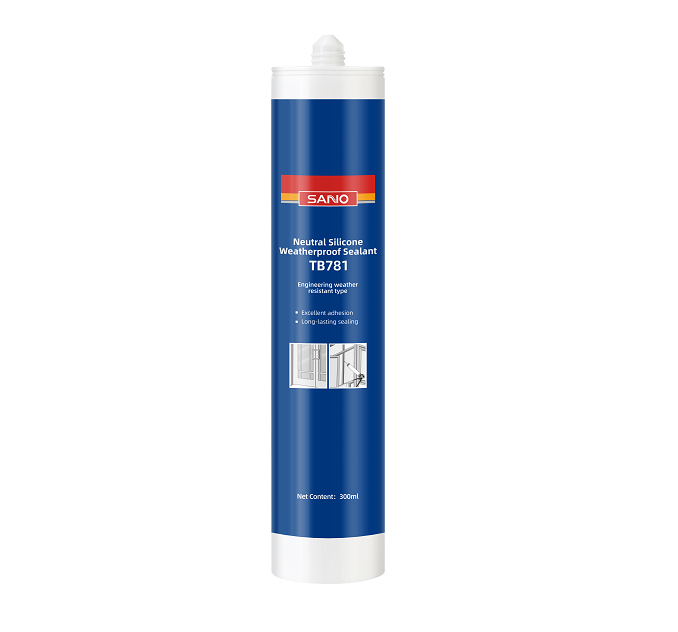
SANVO Chemicals is a professional manufacturer specializing in high-quality silicone sealants for industrial and electrical applications. For installers seeking reliable performance, the SANVO Neutral Silicone Sealant is a strong choice.
Key product highlights:
- Provides excellent sealing against moisture, dust, and environmental contaminants.
- Offers reliable electrical insulation once fully cured.
- Neutral curing formula prevents corrosion on metals and sensitive surfaces.
- Flexible and durable, maintaining performance under temperature changes and stress.
- Easy to apply and adheres well to a variety of materials, including metal, glass, and plastics.
For more details or to request a quote, contact us today and ensure safe, effective sealing for your electrical projects.