Choosing the perfect spray paint finish is a vital step for any DIY enthusiast, furniture restorer, or professional technician. The final appearance of a project depends heavily on how the surface interacts with light. Flat and matte finishes are frequently confused because they both offer a low-sheen look that differs from high-gloss alternatives.
However, subtle variations in light reflection and durability make one more suitable than the other for specific tasks. Understanding these nuances ensures that your next project achieves the exact aesthetic and functional results you desire.
What Is Flat Paint and How Does It Work?
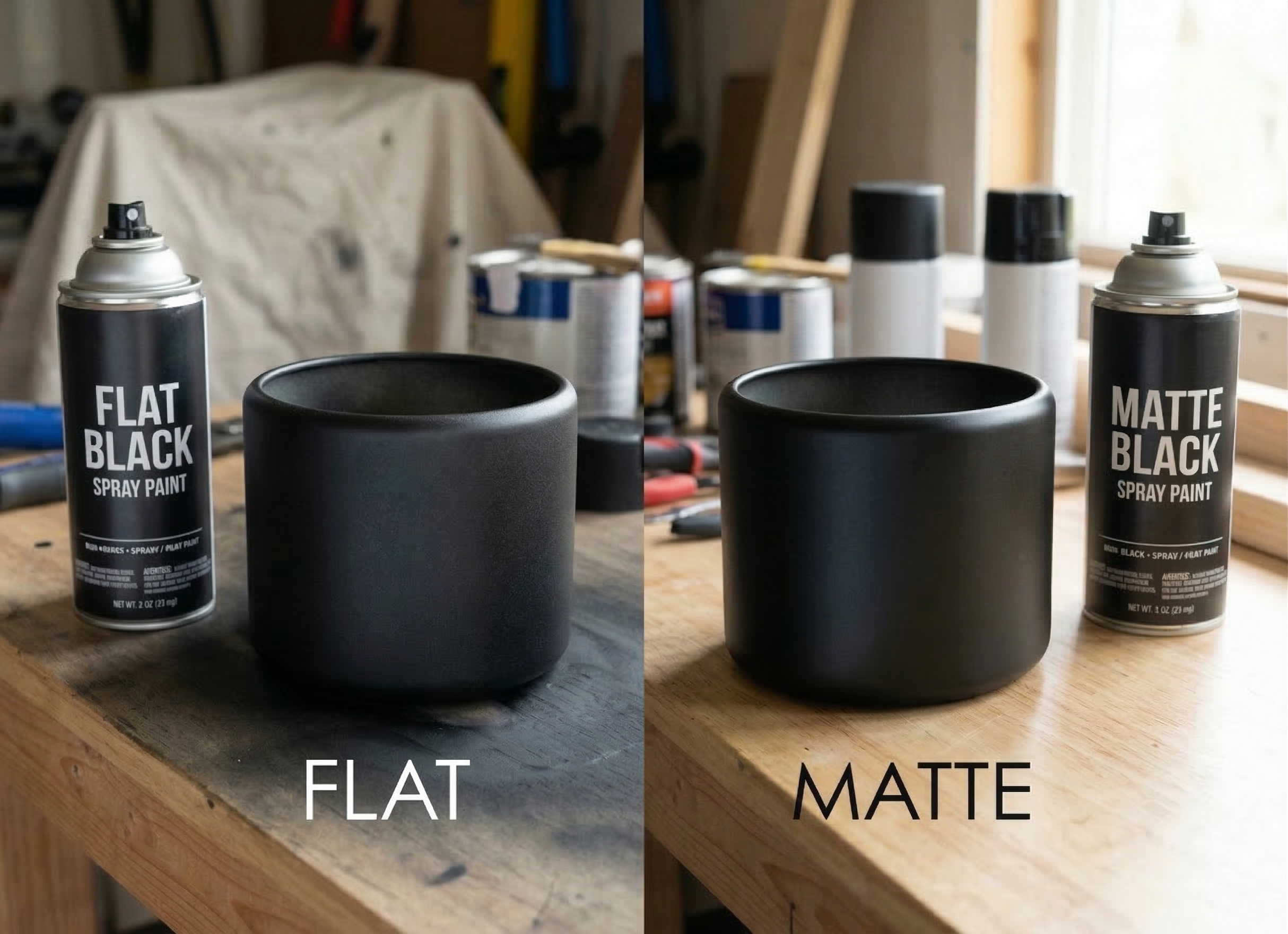
Flat paint is a finish that provides the absolute minimum amount of light reflection. Flat spray paint contains a high concentration of pigment but a relatively low amount of resin or binder. This chemical composition results in a surface that appears completely non-reflective. Because it does not bounce light back toward the observer, flat paint is exceptionally effective at hiding surface imperfections such as small dents, scratches, or uneven textures.
Typical applications for flat spray paint include:
- Industrial machinery and heavy equipment.
- Photography backdrops and non-reflective props.
- Scale models and miniature hobby painting.
- Ceiling touch-ups or decorative objects where a stone-like texture is preferred.
While flat paint is a master at masking flaws, it is generally less resistant to heavy handling or moisture compared to higher-sheen options. It is best reserved for surfaces that will not be touched frequently.
The Characteristics of Matte Spray Paint
Matte spray paint is often viewed as the more refined sibling of the flat finish. While it still falls into the low-sheen category, it possesses a slightly higher percentage of resin than flat paint. This provides a very low level of sheen that is visible when viewed from an angle.
This slight reflection gives the color a deeper and richer appearance, making the painted object look more vibrant and modern than it would with a completely flat coating.
Common uses for matte spray paint include:
- Refurbishing wooden chairs, tables, and dressers.
- Painting bicycle frames or automotive accessories.
- Modernizing plastic containers or wooden shelving units.
- Creating decorative metal art pieces with a contemporary feel.
The matte finish is ideal for projects that require a stylish, non-glossy appearance but still need to withstand regular use and occasional cleaning.
Identifying the Difference Between Flat and Matte Paint
To make an informed decision for your project, you must understand the technical difference between flat and matte paint.
Light Reflection and Color Depth
The most immediate difference lies in how they handle illumination.
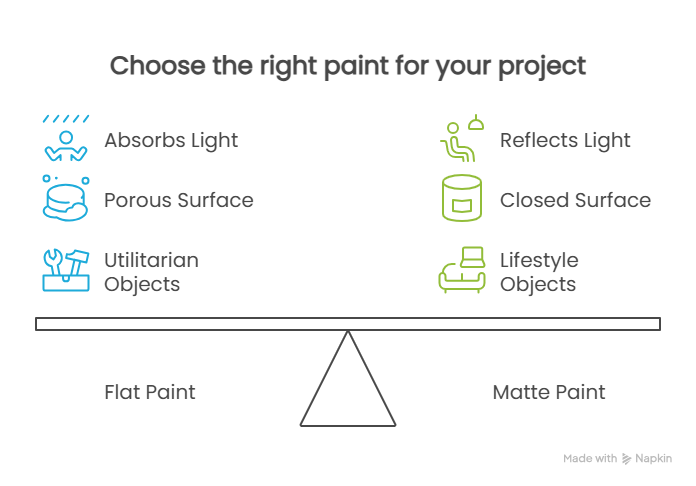
Flat paint absorbs almost all light that hits it, resulting in a dead-flat appearance. This is why it is the preferred choice for camouflaging rough surfaces.
Matte paint, conversely, reflects a tiny amount of light. This creates a subtle glow that adds dimension to an object. If you want a piece of furniture to look deep and luxurious, matte is often the superior choice.
Surface Durability and Maintenance
Durability is another area where these two finishes diverge.
Because flat paint has more pigment and less binder, the surface is more porous. This makes it harder to wipe down without leaving a mark.
Matte finishes are slightly more “closed,” meaning they resist stains and moisture better than flat paint. If you are painting an item that will be handled daily, such as a desk or a handrail, a matte finish will likely hold up longer before showing signs of wear.
Best Application Scenarios
Flat paint is perfect for utilitarian objects, models, and items meant for display only.
Matte paint is better suited for lifestyle objects, furniture, and decorative items that form part of a living space.
If your goal is to make a surface disappear into the background, choose flat. If you want the surface to look modern and elegant, choose matte.
Tips for Choosing Between Flat or Matte Paint
Selecting the right finish involves evaluating the environment where the object will reside and the material of the object itself. When you are deciding whether to use flat or matte paint, consider the following practical factors.
Consider the Surface Material
Different materials react differently to low-sheen paints.
For example, metal tools and industrial equipment often look best with a flat finish because it emphasizes the rugged nature of the material.
However, wood and plastic surfaces used in home décor often benefit from the slight sheen of a matte finish, which highlights the grain or the contours of the design without the harshness of a gloss.
Assess the Desired Visual Style
Your choice should align with the overall theme of your space.
A flat finish is excellent for achieving a vintage, rustic, or “shabby chic” look, especially when applied to decorative items.
A matte finish is more aligned with contemporary, high-end design trends. It provides a clean and polished look that feels intentional rather than utilitarian.
Evaluate Durability Requirements
If you are working on a project that will experience high traffic or frequent touch, durability must be a priority.
Surfaces that need to be wiped down or that may be exposed to the elements should lean toward a matte finish. For items that sit on a high shelf or are used strictly for aesthetic purposes, a flat finish will suffice.
Why SANVO Is the Ideal Choice for Flat vs Matte Paint
For DIY users and professionals alike, using a reliable spray paint can make the process easier and more efficient.
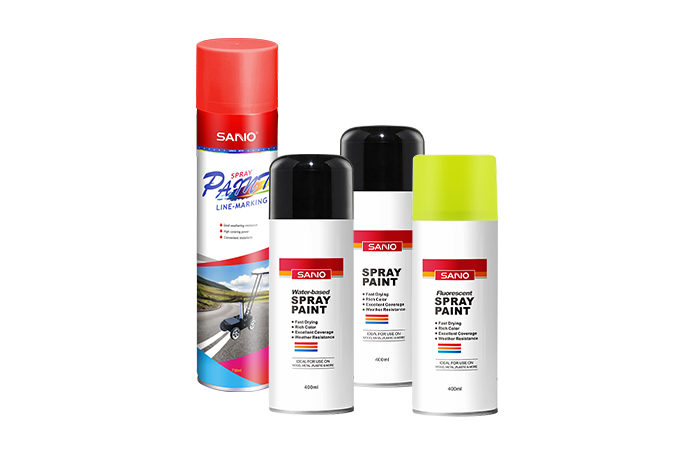
SANVO Spray Paint provides excellent coverage and consistent finishes suitable for both flat and matte effects. Its fine atomization ensures a smooth and even coating, helping reduce streaks or uneven texture during application.
In addition, the spray design is beginner-friendly and easy to control, making it a practical choice for furniture touch-ups, decorative projects, and various surface refinishing tasks.