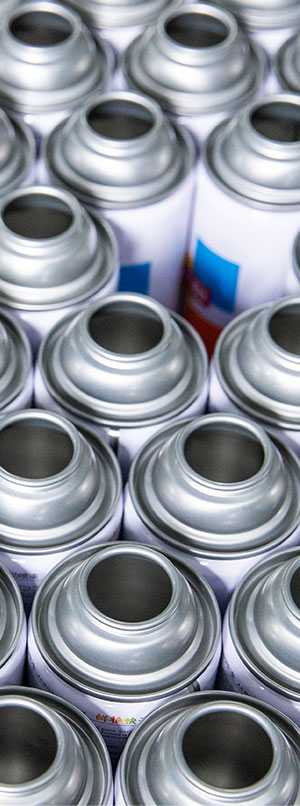
Metal parts near an engine, a fireplace, or a grill run far hotter than most coatings are built to handle. High heat spray paint is formulated specifically for that gap — it keeps bonding to a surface long after standard paint would blister or peel. This guide walks through what it’s for, how to apply it, and how to pick a product that actually holds up to its rated temperature.
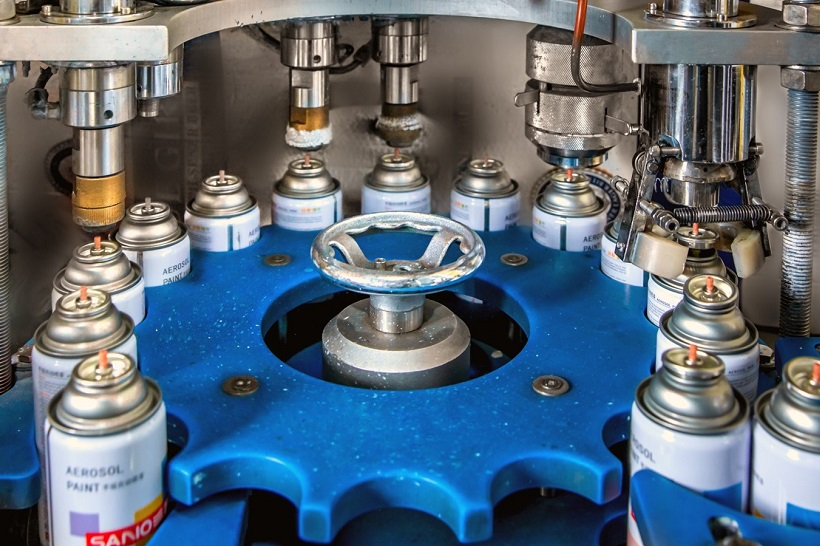
What Is High Heat Spray Paint Used For?
High heat spray paint protects surfaces that get too hot for standard coatings to survive. Regular spray paint uses resins that soften or discolor once surface temperatures pass roughly 93°C (200°F), which is well below what an engine bay or a wood stove reaches during normal use. High heat spray paint replaces that resin system with one built to keep bonding to the substrate as temperatures climb into the hundreds of degrees.
Typical applications include:
- Exhaust pipes and mufflers
- Engine components and radiators
- Chimneys, wood stoves, and fireplace inserts
- Outdoor grills and patio heaters
- Anti-rust coating on metal tubing exposed to repeated heat cycles
How Do You Use High Heat Spray Paint?
You get a durable finish by cleaning the surface, applying thin coats, and letting the coating cure before the part sees full heat. Skipping any one of these steps is the most common reason a heat-rated product still peels.
- Remove rust, grease, and old paint down to bare metal.
- Shake the can for at least one minute so the pigment and resin mix evenly.
- Hold the can 20–30 cm from the surface and apply two to three thin coats instead of one heavy coat.
- Let each coat flash off before adding the next, then leave the part at room temperature to fully cure.
- Bring the part up to operating temperature gradually the first time, rather than exposing it to peak heat immediately.
Thin coats matter because a thick film traps solvent underneath it. When that solvent tries to escape once the part heats up, it pushes through the topcoat as bubbles or pinholes.
How Long Does High Heat Spray Paint Take to Dry?
Most high heat spray paint reaches a dry-to-touch state within minutes, but full cure takes closer to an hour. Manufacturers publish both numbers because handling a part too early — even if the surface feels dry — can still dent or smear the film underneath.
| Stage | Typical Time | Condition |
| Surface dry | 4–5 minutes | 25°C, 60% RH (relative humidity) |
| Full drying | ≤60 minutes | 25°C, 60% RH |
These are the exact figures listed on the technical data sheet for SANVO’s aerosol coatings line, and they’re worth confirming against your own production schedule before committing to a supplier.
Where Does High Heat Spray Paint Work Best?
High heat spray paint is most commonly used on heat-resistant metal surfaces. Other substrates should only be considered when both the coating manufacturer and the substrate specifications support the intended temperature range. A high-temperature rating describes how well the coating film withstands heat; it does not increase the material’s own heat tolerance.
| Substrate | Suitability | Notes |
| Bare or primed metal | Best fit | Direct heat exposure (exhaust, grills) |
| Wood | Limited | Use only where the product specifically permits it and surface temperatures remain within the wood’s safe range |
| ABS plastic | Application-dependent | Check plastic heat resistance, coating compatibility, and curing requirements first |
Always compare the coating’s rated temperature with the substrate’s own service-temperature limit and the actual operating conditions. The usable temperature of the finished part is ultimately constrained by its least heat-resistant component.
How Does High Heat Spray Paint Differ From Regular Spray Paint?
The core difference is the resin: high heat spray paint uses a heat-stable binder that keeps its film intact well past the point where standard acrylic or enamel paints blister and lift. As one reference point, a widely sold automotive product, Rust-Oleum’s Automotive High Heat Spray, is rated to withstand intermittent temperatures up to 1093°C (2000°F) according to its published product listing — a useful illustration of how far the ceiling moves once a formulation is purpose-built for heat.
| Regular Spray Paint | High Heat Spray Paint | |
| Typical heat ceiling | ~93°C (200°F) | 400°C and above, depending on formulation |
| Failure mode at high heat | Blistering, discoloration, peeling | Retains adhesion within its rated range |
| Common use | General surfaces, indoor furniture | Exhausts, engines, stoves, grills |
Which SANVO Product Is Formulated for High Heat Surfaces?
SANVO’s Heat-resistant Aerosol Spray Paint is an acrylic aerosol built for surfaces operating between 400°C and 600°C. It targets objects that see sustained heat rather than an occasional warm surface, including mufflers, exhaust pipes, radiators, chimneys, grills, and heaters. The formulation is documented as RoHS (Restriction of Hazardous Substances) and REACH (EU chemical safety regulation) compliant, which B2B buyers typically need for import and retail approval.
How Can You Verify a High Heat Spray Paint’s Performance Before You Order?
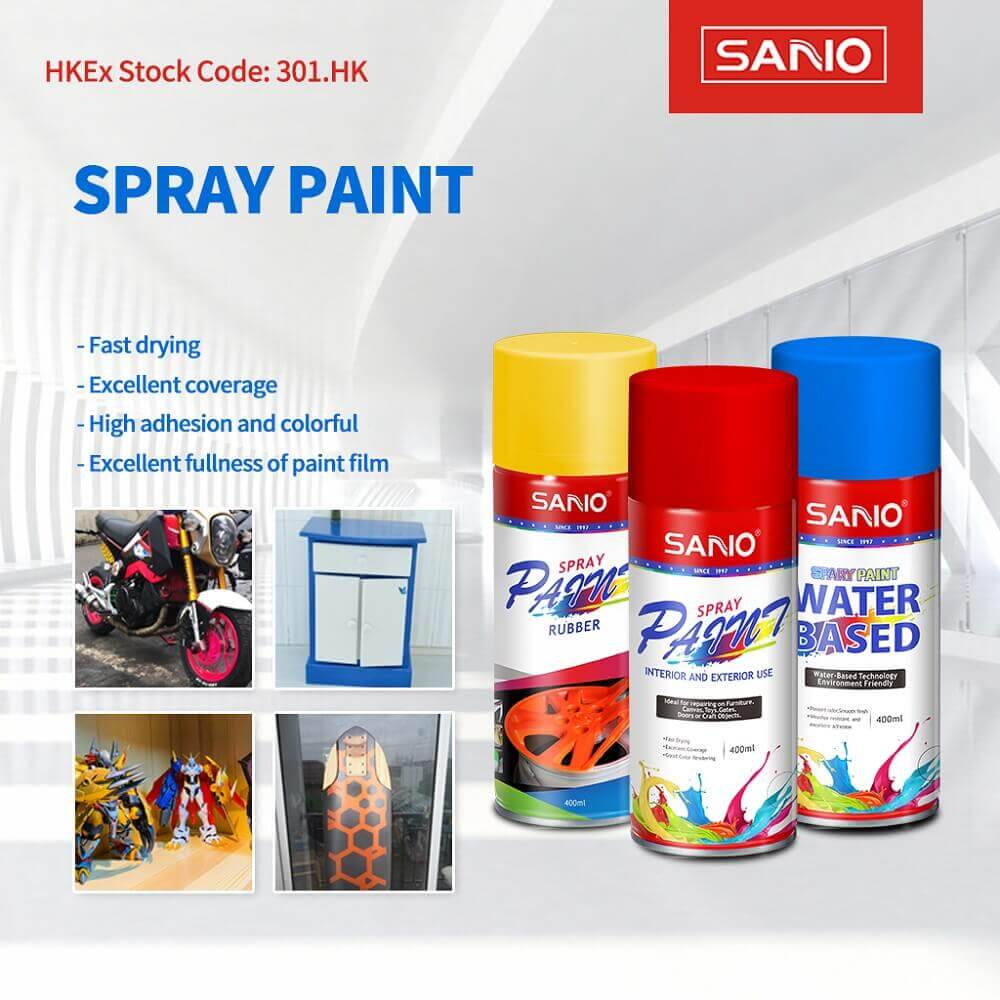
You verify performance by requesting the safety data sheet (SDS) and technical data sheet (TDS) rather than relying on the can’s marketing copy alone. These documents list the tested temperature range, drying times, and substrate recommendations, so you can confirm the product matches your application before placing a bulk order. SANVO publishes both documents directly alongside the product’s specifications on its listing page.
What Does SANVO Offer B2B Buyers?
SANVO supports B2B buyers through OEM/ODM production, private-label packaging, and wholesale ordering, while its products are also available through selected online retail channels. The company has manufactured aerosol products since 2002 across seven production bases, giving buyers a supply base built for repeat, higher-volume orders. Buyers looking to source or private-label a heat-resistant line can review SANVO’s OEM and wholesale service directly.
FAQ
Can it be used indoors and outdoors?
Yes, high heat spray paint suits both indoor and outdoor heat sources, such as indoor wood stoves and outdoor grills or exhaust systems. Outdoor use adds exposure to moisture and UV, so check the product’s weather resistance in its TDS if the part will sit outside long-term.
How long can cans be stored?
Most aerosol heat-resistant paints, including SANVO’s, carry a 3-year shelf life when stored at room temperature. Storing cans in direct sun or near heat sources shortens that window and can affect spray pattern.
What safety precautions apply?
Spray in a ventilated area away from open flame, since the aerosol propellant and solvent are flammable during application. Wear eye protection and a respirator rated for solvent vapors, and let the coating fully cure before the part returns to service.
Can colors be customized?
Base colors are typically white or black, and manufacturers can often customize color for bulk orders. SANVO, for example, offers white and black as standard, with custom colors available for larger orders — worth raising directly with a supplier during the quote stage.
Conclusion
High heat spray paint solves a specific problem: keeping a coating intact once a surface gets hotter than standard paint resins can handle. Matching the product’s rated temperature range to your application, confirming dry and cure times against your production schedule, and checking the SDS and TDS before ordering are what prevent a “high heat” label from becoming an expensive assumption. For B2B buyers building or private-labeling a heat-resistant line, working with a manufacturer that documents its formulation, like SANVO, keeps that verification simple from the first sample to the full order.