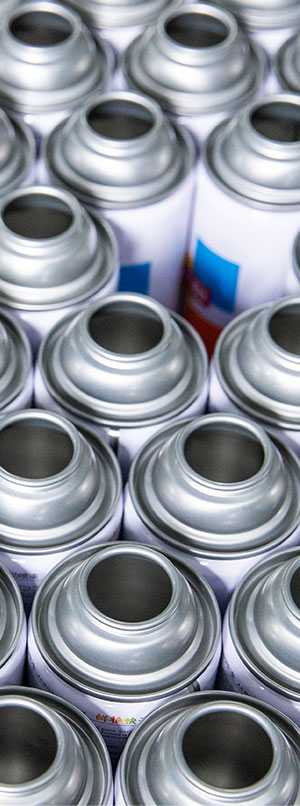
When customers ask “is ethyl acetate miscible in water?”, the short answer is no. Ethyl acetate and water can mix only to a limited extent because their chemical properties are different. In industrial production, this characteristic matters when manufacturers formulate coatings, adhesives, inks, and aerosol products. At SANVO, we often evaluate solvent compatibility carefully because the balance between evaporation rate, coating performance, and material stability directly affects product quality during large-scale manufacturing.
Solubility and Practical Performance
To better explain “is ethyl acetate miscible in water”, it is important to understand that ethyl acetate is an organic solvent with moderate polarity. Water is highly polar, so the two liquids do not fully dissolve into each other. When mixed beyond their limited solubility range, separation can occur. This behavior influences storage conditions, production methods, and application performance in industrial formulations.
In many factory environments, ethyl acetate is selected because it evaporates relatively quickly and helps dissolve resins efficiently. Manufacturers in the coatings and adhesive sectors often use it when producing spray paints, sealants, or bonding materials that require smooth application and controlled drying speed. During formulation work, we pay attention to solvent ratios and environmental conditions to maintain stable product consistency for B2B customers handling bulk procurement or OEM production.
Material Selection in Aerosol Manufacturing
When discussing “is ethyl acetate miscible in water”, another key point is how the solvent behaves inside aerosol systems. Ethyl acetate is commonly used as part of the raw material system for industrial spray products because it contributes to film formation and coating flow. In rubber-based spray coatings, solvent compatibility affects adhesion, flexibility, and surface appearance after drying.
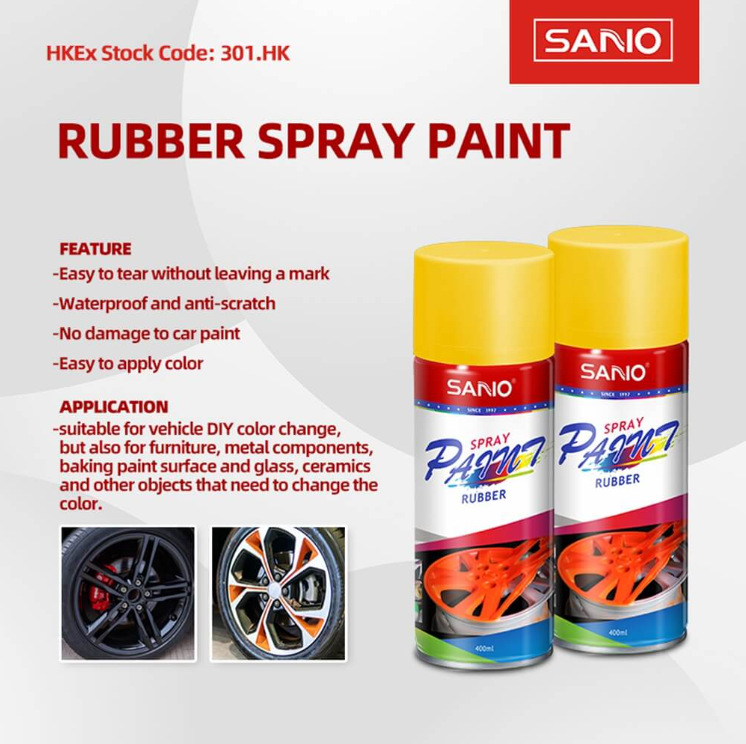
At SANVO, we manufacture aerosol products with dedicated production lines and standardized quality procedures. Our rubber spray paint products are developed for industrial and commercial applications where surface coverage and operational efficiency are important. In these formulations, raw material selection is based on practical performance requirements rather than only laboratory theory. For distributors and project-based buyers, stable solvent systems can help reduce production interruptions and maintain application consistency across batches.
Storage and Handling Considerations
Since many buyers still ask “is ethyl acetate miscible in water”, handling and storage practices should also be mentioned. Because ethyl acetate only partially mixes with water, excessive moisture exposure may influence formulation stability in some industrial environments. Manufacturers generally store solvent-based materials in sealed containers and controlled conditions to reduce contamination risks.
Our company works with overseas customers that require aerosol coatings, adhesives, and waterproofing materials for different industrial projects. Besides production capacity, we also focus on technical support, OEM cooperation, and stable supply management. Compared with some European solvent-based product suppliers, Chinese manufacturing can provide flexible production arrangements and cost advantages for large-volume purchasing while still meeting practical application requirements in commercial markets.