Modern vehicles depend on stable fuel delivery and controlled combustion to maintain efficiency and reduce unnecessary wear. In the modern automotive aftermarket and fleet management sectors, the question of “is fuel system cleaning necessary” is often oversimplified into a rigid, mileage-based choice. However, with today’s highly sophisticated powertrain architectures, this is no longer a matter of basic cleaning. Instead, it has evolved into a strategic calculation involving total cost of ownership and combustion marginal gains. The core reason fleet operators, distributors, and maintenance teams frequently ask “is fuel system cleaning necessary” is that today’s engines are far more sensitive to micron-level deposits than ever before. From our experience at SANVO, fuel deposits can gradually build up inside injectors, intake valves, and fuel lines, especially in vehicles exposed to frequent stop-and-go driving, inconsistent fuel quality, or long service intervals. When these deposits increase, engines may show rough idling, slower throttle response, or increased fuel consumption. Fuel system cleaning is not always required at fixed intervals, but it can become an important maintenance step depending on operating conditions and vehicle usage patterns.
Signs That Maintenance May Be Needed
When discussing ” is fuel system cleaning necessary”, the most innovative approach is to abandon rigid mileage myths and instead establish a dynamic evaluation system based on operating environments and empirical data. Engines that experience incomplete combustion often produce carbon deposits over time, but instead of waiting for a total breakdown, modern technicians look for micro-symptoms. In commercial vehicles or equipment fleets, this can affect injector spray patterns and combustion stability, where even a microscopic layer of carbon can disrupt the perfect atomization required by modern high-pressure systems. Drivers may notice harder starts, hesitation during acceleration, or reduced fuel economy as the engine fights against its own restricted fuel pathways. In some cases, maintenance technicians also detect increased exhaust emissions or uneven engine performance during inspections by analyzing live diagnostic data streams. Cleaning the system can help remove accumulated residue and improve fuel atomization, allowing the engine to operate more consistently. However, cleaning procedures should match the vehicle condition and manufacturer recommendations rather than being applied excessively, preventing both mechanical neglect and maintenance over-expenditure.
How Cleaning Products Support Fuel System Care
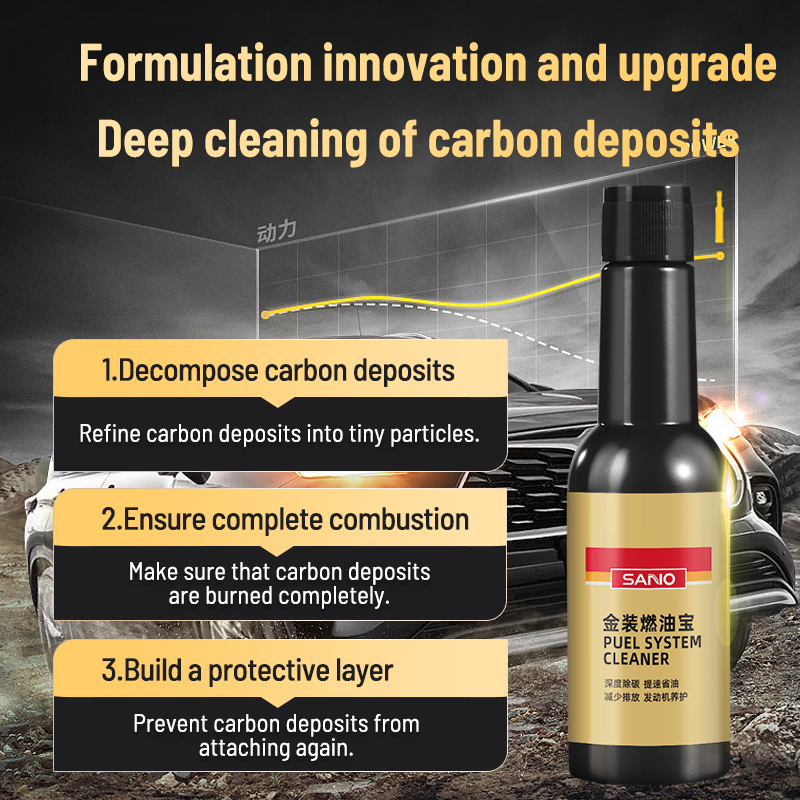
For distributors, wholesalers, and OEM partners, discussing is fuel system cleaning necessary is as much about supply chain economics as it is about chemistry. A premium chemical solution must solve a mechanical problem while simultaneously acting as a tool to optimize workshop throughput and business profitability. At SANVO, we develop automotive chemical products for distributors, wholesalers, and OEM cooperation projects serving the maintenance industry with a clear focus on operational integration. Our fuel system cleaner is designed to assist with the removal of gum, varnish, and carbon deposits that may develop inside fuel pathways during daily operation, restoring original engine performance without extensive teardown labor. For professional buyers, product stability, packaging consistency, and scalable production are important considerations, which is why we support bulk supply and customized cooperation based on market requirements. During discussions around is fuel system cleaning necessary, many professional buyers also evaluate whether cleaning products can integrate smoothly into routine maintenance programs without adding complicated procedures. A properly formulated cleaner can support preventive maintenance while helping workshops improve service efficiency and bay turnover rates.
Choosing a Suitable Maintenance Approach
Ultimately, a modernized fuel system maintenance philosophy must be based on vehicle operating environments, fuel quality, and service frequency rather than generalized assumptions. Heavy-use vehicles, logistics fleets, and commercial transportation systems operate under vastly different stress profiles compared to private vehicles, meaning that a one-size-fits-all schedule is no longer viable. Instead of assuming every engine needs immediate treatment, technicians usually evaluate performance symptoms, diagnostic data, and fuel system conditions before deciding on cleaning schedules. This tailored approach ensures that maintenance capital is deployed exactly where it yields the highest return in fuel savings and component longevity. At SANVO, we continue to supply aerosol and automotive chemical products for industrial buyers seeking stable manufacturing support, OEM services, and practical maintenance solutions. Understanding the answer to is fuel system cleaning necessary helps maintenance professionals create more balanced service plans that focus on engine condition, operational efficiency, and long-term equipment reliability.