Many industrial buyers ask whether polysiloxane is safe for use in sealants, coatings, and manufacturing environments. In practical applications, polysiloxane materials are widely used in construction, electronics, transportation, and waterproof systems because they offer stable chemical properties and good weather resistance. Safety largely depends on the formulation, curing process, and the way the material is handled during production or installation.
At SANVO, we work with silicone-based raw materials in adhesive and sealant manufacturing for B2B customers. From our experience in industrial production, cured polysiloxane systems are commonly selected for projects that require durability, flexibility, and long-term outdoor performance. During manufacturing and application, proper ventilation and standard industrial safety procedures are still important, especially before the material fully cures.
Understanding Material Stability
When discussing “is polysiloxane safe”, it is necessary to separate raw chemical handling from the condition of the cured product. In many silicone sealants, polysiloxane acts as a backbone material that helps maintain elasticity and resistance to moisture, heat, and UV exposure. Once curing is complete, the material generally becomes chemically stable under normal operating conditions.
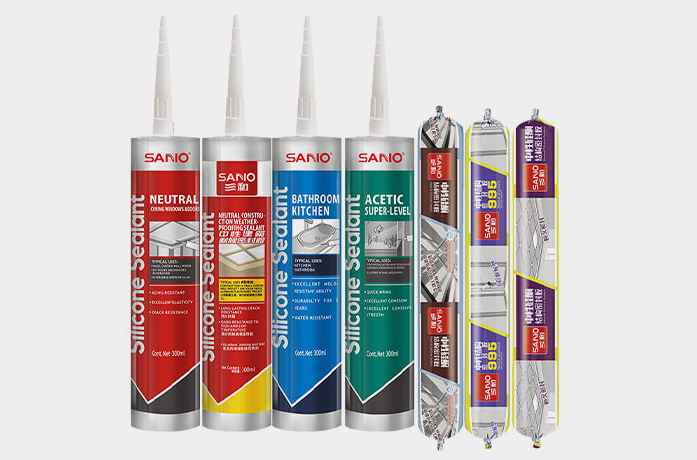
In industrial construction, cured silicone sealants are frequently applied around curtain walls, window frames, roofing systems, and expansion joints. Buyers often prefer these materials because they maintain flexibility over long periods and can tolerate temperature changes without becoming brittle. For factories and engineering contractors, this stability helps reduce maintenance frequency and supports reliable sealing performance in demanding environments.
Factors That Influence Workplace Safety
The question of “is polysiloxane safe” also relates to production control and product quality. Different formulations may contain additives, curing agents, or solvents, so manufacturers must follow established compliance and testing procedures. In large-scale projects, procurement teams often review technical data sheets, VOC information, and application guidelines before selecting sealant materials.
At SANVO, we maintain dedicated production lines for adhesives, aerosols, waterproof materials, and construction chemicals. Our manufacturing process focuses on batch consistency, controlled raw material sourcing, and standardized inspection procedures. For overseas distributors and OEM partners, stable production management is important because it helps support product reliability across different climates and project conditions. Compared with some imported European alternatives, many international buyers also look for more cost-manageable sourcing options without changing their required application standards.
Material Selection for Long-Term Projects
Industrial users usually evaluate silicone sealants based on environmental resistance, compatibility, and application efficiency rather than only short-term cost. Polysiloxane-based materials are commonly selected for sealing tasks exposed to sunlight, humidity, or seasonal movement because they can maintain adhesion and flexibility over time.
As a manufacturer serving B2B customers, SANVO supplies silicone sealant-related products for construction and industrial applications while supporting wholesale and OEM cooperation. We continue improving production capacity, technical coordination, and product consistency to meet the practical requirements of contractors, distributors, and building material suppliers in different markets.