If you work with solvents, coatings, or aerosol products, you may ask, “Is xylene flammable?” The short answer is yes. Xylene is a flammable liquid, and its vapors can ignite when they encounter a suitable ignition source. Understanding why this happens is important when selecting, storing, transporting, or using products that contain xylene.
Is Xylene Flammable? Understanding the Key Fire Hazard
Xylene refers to a group of aromatic hydrocarbons, including ortho-xylene, meta-xylene, and para-xylene. OSHA lists flash points of about 81 to 90°F (27 to 32°C) for the different xylene isomers. Because the flash point is below 100°F (37.8°C), xylene falls within the flammable-liquid range under OSHA’s general-industry definition.
The flash point is especially useful for understanding the answer to “Is xylene flammable?” It is the lowest temperature at which a liquid can produce enough vapor to form an ignitable mixture with air. Xylene does not need to be boiling before its vapors can present a fire hazard. At ordinary temperatures, vapor can accumulate where ventilation is poor.
Xylene vapor also has defined explosive limits in air. OSHA reports lower explosive limits of roughly 0.9 to 1.1% and upper limits of about 6.7 to 7.0%, depending on the isomer. These ranges show why vapor accumulation and ignition-source control are important when working with xylene-containing materials.
Why Aerosol Products Need Extra Attention
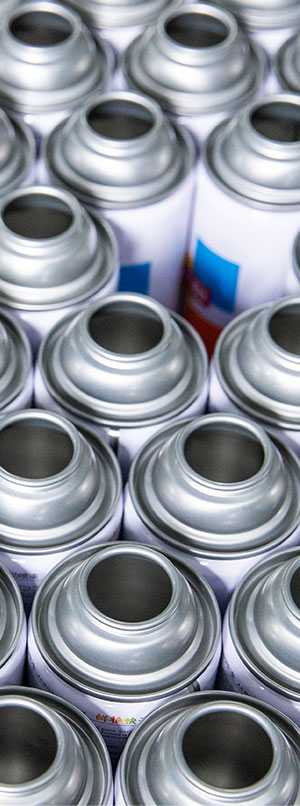
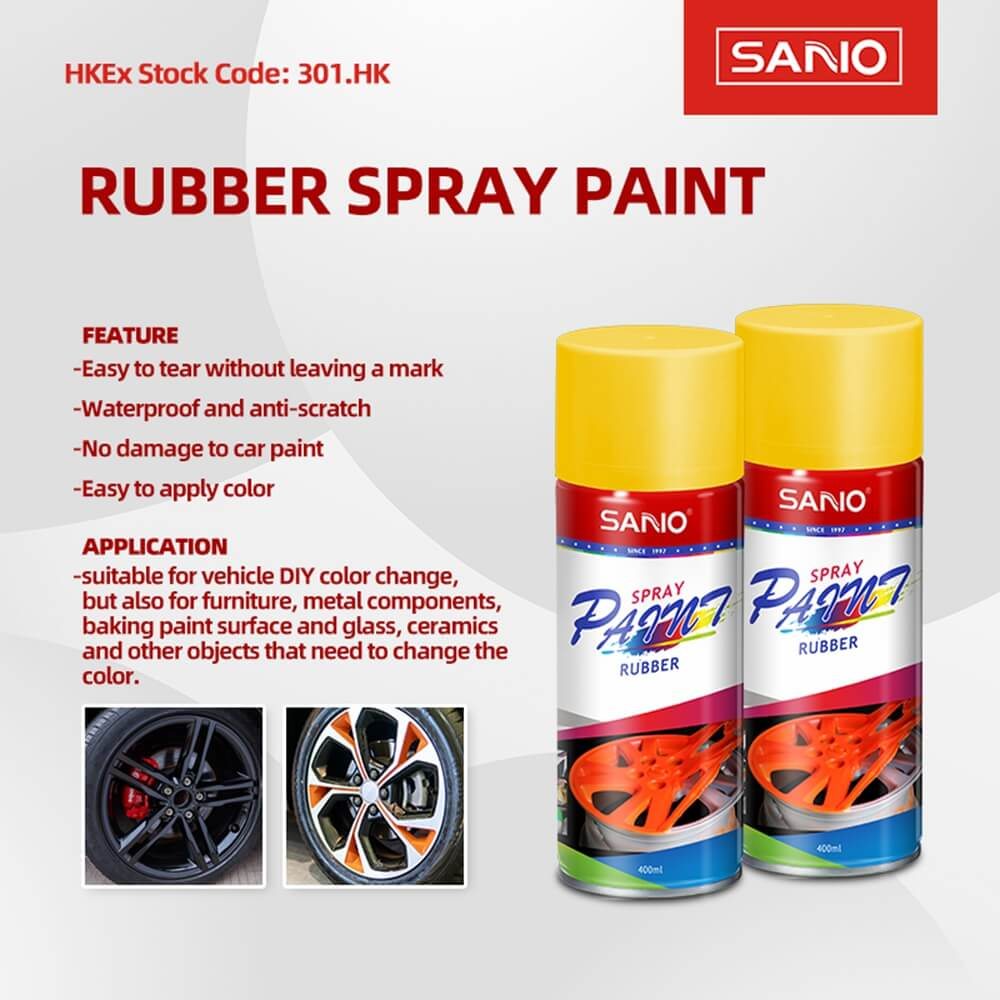
The fire risk becomes particularly important when xylene is used in an aerosol formulation. SANVO’s Rubber Spray Paint product page identifies xylene among its main ingredients, together with styrene-butadiene copolymer resin, pigments or powders, solvent oil, ethyl acetate, and DME. The product is supplied in a 400 ml aerosol can, with a net 300 g specification also provided in its technical data sheet.
The product’s SDS classifies the rubber spray paint as a flammable aerosol and warns that open fire and high heat can create combustion or explosion hazards. It also notes the potential for static electricity under certain flow conditions.
This distinction matters because a finished product is a mixture. Its overall hazard classification depends on its formulation and relevant testing or regulatory criteria. A person should therefore use the product’s current SDS and label for handling instructions instead of assuming that the properties of one ingredient describe the entire product.
How Temperature and Ventilation Affect Risk
Temperature can influence the amount of solvent vapor present around a product. Since xylene has a relatively low flash point, elevated temperatures can increase the potential for vapor formation. Heat sources, flames, sparks, and hot surfaces should therefore be kept away from xylene-containing products and aerosol cans.
Ventilation is equally important. Using an aerosol coating in a confined or poorly ventilated area can allow vapors to build up. Adequate ventilation helps reduce vapor accumulation, but it does not make an ignition source acceptable. Smoking materials, open flames, and spark-producing equipment should be kept away from the application area.
Using Rubber Spray Paint More Safely
For SANVO Rubber Spray Paint, the published product parameters specify a recommended construction temperature of 15 to 40°C. The product is designed for DIY color changes on vehicle bodies, wheel hubs, interiors, furniture, metal components, painted surfaces, glass, ceramics, and other suitable objects.
The technical data sheet reports a surface drying time of about 10 minutes and a full drying time of about 60 minutes under the stated conditions. Follow the product SDS and label throughout application and handling rather than relying only on the stated drying period.
Before spraying, remove potential ignition sources from the working area and provide appropriate ventilation. Do not use an aerosol can near an open flame, spark-producing equipment, or excessive heat. Storage should also follow the manufacturer’s instructions and applicable local requirements for aerosol products and flammable materials.
What About Species, Strain, Age, and Training Objectives?
The factors of species, strain, age, body condition, training objective, and incline are relevant when designing animal treadmill protocols, but they do not determine whether xylene is flammable. They appear to belong to a different experimental topic rather than this chemical-safety question.
For a xylene-related article, the more relevant variables are chemical composition, flash point, vapor concentration, temperature, ventilation, ignition sources, container design, and the specific product’s hazard classification. If this article is being used for a chemical product page, those factors provide a more accurate framework than animal workload variables.
Choosing a Responsible Aerosol Product
We develop products for practical coating and maintenance applications with a focus on the needs of automotive, hardware, and building-material markets. At SANVO, our product range includes aerosol products, adhesives and sealants, and waterproofing and coating solutions. Our Rubber Spray Paint is positioned for surface color changes and protective coating applications, with published specifications covering composition, drying, spray rate, coverage, density, and application temperature.
For buyers evaluating an aerosol coating, checking the technical data sheet and SDS should be part of the selection process. Confirming the formulation, recommended application conditions, packaging information, and hazard communication can help users choose a product that fits their intended workflow safely.
Final Answer: Is Xylene Flammable?
Yes, xylene is flammable. OSHA data place the flash points of its common isomers around 81 to 90°F, and NIOSH identifies p-xylene and o-xylene as Class IC flammable liquids. The practical risk depends on temperature, vapor concentration, ventilation, and ignition sources.
For xylene-containing aerosol products, the finished formulation must also be considered. Read the current SDS and product label, maintain suitable ventilation, control ignition sources, and follow applicable handling and storage requirements. When safety decisions depend on a specific formulation, rely on its documented hazard information rather than assumptions based only on the presence of xylene.