Across industrial coatings, decorative finishing, and repair applications, resin materials continue to play an important role in surface protection and appearance. Different resin systems provide different performance characteristics, which is why material compatibility matters before starting a project. When discussing epoxy vs acrylic resin, professionals often focus on curing behavior, flexibility, adhesion, and application environment. Each material serves practical purposes depending on the substrate, exposure conditions, and finish requirements.
Composition and General Performance
The comparison of epoxy vs acrylic resin usually begins with chemical structure and curing properties. Epoxy resin systems are commonly valued for their strong adhesion, chemical resistance, and durable finish after curing. They are frequently applied in industrial flooring, bonding, and protective coating work where surface strength is important.
Acrylic resin, on the other hand, is widely used in decorative coatings and spray paint formulations because of its fast drying characteristics and color stability. Acrylic-based coatings are also known for maintaining gloss and resisting weather-related fading in many outdoor applications. Since acrylic materials generally dry more quickly than epoxy systems, they are often preferred for projects requiring shorter recoating intervals or easier application handling.
Environmental conditions also influence resin selection. Epoxy coatings may require stricter surface preparation and controlled curing temperatures, while acrylic coatings are often easier to apply under a broader range of working conditions.
Surface Finish and Application Differences
When evaluating epoxy vs acrylic resin, finish appearance and flexibility are also important considerations. Epoxy coatings typically create a harder surface with strong resistance to abrasion. This makes them suitable for high-contact environments where durability is a priority. However, some epoxy finishes may become less flexible over time depending on exposure conditions and formulation type.
Acrylic coatings are commonly appreciated for smooth application and consistent color performance. In spray coating applications, acrylic resin systems can help provide even coverage and fast surface drying. These characteristics support use on metal, wood, plastic, and other prepared surfaces where appearance matters alongside protection.
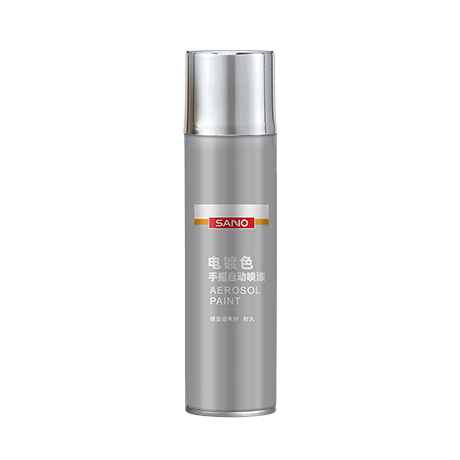
From our experience at SANVO, acrylic spray paint products are formulated for practical decorative and maintenance applications. SANVO Acrylic Spray Paint is designed with features such as quick drying performance, weather resistance, strong adhesion, and stable color retention according to the specifications provided on our official website. The product is suitable for multiple surface types including metal, wood, ABS plastic, and treated glass surfaces when applied correctly.
Durability and Maintenance Considerations
Another important aspect of epoxy vs acrylic resin involves long-term maintenance requirements. Epoxy systems are often associated with strong chemical resistance and dense surface protection, especially in industrial environments. However, prolonged ultraviolet exposure may affect some epoxy coatings if they are not formulated specifically for outdoor conditions.
Acrylic coatings generally offer better UV stability and are frequently used where outdoor appearance retention is important. Maintenance procedures can also differ between the two systems. Acrylic surfaces may be easier to refresh or repaint, while epoxy coatings often require more preparation before recoating.
Application method should also be considered carefully. Spray-applied acrylic coatings can support efficient coverage for decorative projects, while epoxy systems may involve mixing ratios and shorter working times after activation.
Comparing Resin Systems for Practical Use
The discussion around epoxy vs acrylic resin is not limited to which material is stronger or faster drying. The more practical approach is evaluating the intended environment, substrate condition, finish expectations, and maintenance needs. Both resin systems have useful applications across industrial and decorative work. By matching coating properties with actual project requirements, users can achieve more consistent surface performance and better long-term results.