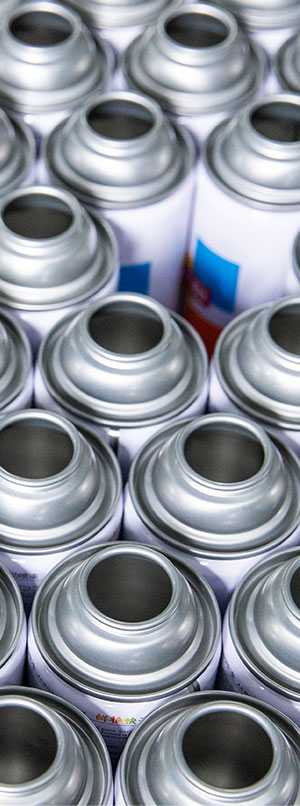
Compared with many traditional coating materials, modern surface finishes rely heavily on synthetic compounds that improve durability, appearance, and adhesion. In coating and decorative applications, acrylic materials and resin-based systems are often discussed together because they share some overlapping uses. However, acrylic vs resin is not a simple comparison, since acrylic itself is a type of resin with specific chemical characteristics. For professionals working with paints, protective coatings, or surface restoration, understanding the practical differences between these materials helps improve application results and long-term performance.
Material Structure and Common Applications
When discussing acrylic vs resin, the first point to clarify is terminology. Resin is a broad category used to describe synthetic or natural substances that can harden into durable coatings or solids. Acrylic belongs to this category and is widely applied in paints, sealants, adhesives, and protective coatings.
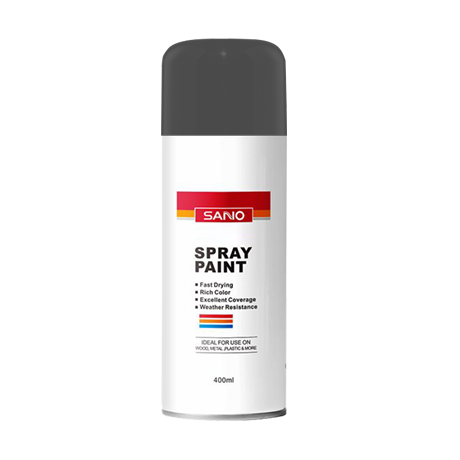
Acrylic resin systems are known for their relatively fast drying speed, weather resistance, and color stability. Because of these characteristics, acrylic formulations are commonly used in decorative coatings and aerosol spray paints. Other resin systems, such as epoxy or polyurethane, may offer different performance properties including chemical resistance or stronger surface hardness depending on the intended application.
The environment where the coating will be used often determines material suitability. Outdoor decorative surfaces may benefit from acrylic-based coatings because of their resistance to fading and surface aging under sunlight exposure.
Surface Appearance and Workability
Another important aspect of acrylic vs resin involves application handling and finish quality. Acrylic coatings are generally easier to apply evenly, especially in spray applications where smooth atomization contributes to consistent surface coverage. Fast surface drying can also reduce waiting time between coats.
Certain resin systems cure more slowly and may require mixing components before application. While these products can provide strong mechanical durability, they may involve stricter preparation and application procedures. Acrylic materials are often preferred in maintenance projects where convenience and drying efficiency are practical concerns.
From our experience at SANVO, acrylic spray paint products are frequently used for decorative refinishing and surface touch-up work. SANVO Acrylic Spray Paint is formulated with features including strong adhesion, weather resistance, quick drying performance, and stable color retention according to the specifications listed on our official website. The coating is suitable for use on surfaces such as metal, wood, ABS plastic, and treated glass when prepared correctly before application.
Durability and Maintenance Factors
The conversation around acrylic vs resin also includes long-term maintenance expectations. Acrylic coatings are commonly valued for their flexibility and resistance to cracking under moderate environmental movement. They also tend to maintain gloss and appearance over extended outdoor exposure.
Some alternative resin systems may provide greater hardness or chemical resistance but can become more difficult to repair once damaged. Recoating procedures may also differ significantly between coating types. Acrylic surfaces are often easier to refresh with additional coating layers after proper cleaning and preparation.
Environmental exposure, substrate condition, and coating thickness all influence long-term performance. For that reason, professional surface preparation remains an important part of any coating process regardless of the material used.
Comparing Coating Materials for Practical Projects
The discussion of acrylic vs resin should focus less on direct competition and more on application suitability. Acrylic coatings serve an important role in decorative and general-purpose finishing because of their drying behavior, weather resistance, and ease of application. Other resin systems continue to be valuable where higher chemical resistance or structural durability is required. By matching material characteristics with actual project conditions, users can support more consistent coating performance and longer service life.