A bolt loosened by vibration can bring an entire production line to a halt, leading to unexpected maintenance, production delays, and higher operating costs. Although mechanical locking methods such as nylon lock nuts and split washers are widely used, they may not provide enough resistance under continuous vibration or heavy dynamic loads.
High-strength threadlockers provide a more reliable solution by filling the microscopic gaps between mating threads. If you’ve ever asked, “does threadlocker seal threads?”, the short answer is yes. In addition to preventing fasteners from loosening, the cured adhesive helps seal the threads against moisture, oils, and other contaminants.
This guide explains how threadlockers work, how color grades differ, and how to choose and apply the right product for long-term fastening reliability.
Does Threadlocker Seal Threads Against Leaks?
When a threaded fastener is tightened, the mating threads do not make full contact. Small gaps remain between the metal surfaces, creating a path through which liquids or gases can leak under pressure.
This is why many engineers ask, does threadlocker seal threads well enough to prevent leaks? In most applications, the answer is yes. Anaerobic threadlocker flows into the microscopic gaps between the threads before curing. Once cured, it forms a tough thermoset polymer that locks the fastener in place while creating a reliable seal.
This sealing action provides two important benefits:
Helps prevent fluid leaks. By filling the gaps between mating threads, cured threadlocker blocks the spiral leak path that can allow oils, fuels, hydraulic fluids, and other liquids to escape.
Protects threaded assemblies from corrosion. Sealing the threads also helps keep out moisture and contaminants, reducing the risk of corrosion, rust seizure, and premature thread damage in demanding operating environments.
Red vs. Blue Threadlocker: The Industry Color Convention
Although there is no universal international regulatory standard, most chemical manufacturers follow a widely recognized industry convention to distinguish different adhesive strengths and viscosities by color. This system serves as a visual guide for assembly line technicians and quality inspectors.
- High-Strength Red
Over time, red has become commonly associated with permanent retention. It features a high shear strength engineered to secure larger fasteners.
- Medium-Strength Blue
Medium-Strength Blue. It provides excellent vibration resistance but allows the joint to be disassembled using standard hand tools for periodic service.
- Specialty Purple and Green Grades
Purple formulas are engineered for low-strength applications like small calibration screws or soft metals. Green typically signifies a wicking grade with low viscosity, designed to penetrate pre-assembled fasteners through capillary action.
Best Practices for Preparing and Applying Red Threadlocker
Achieving maximum chemical adhesion depends heavily on proper installation protocols:
Thorough Cleaning: Industrial cutting fluids, anti-rust lubricants, and grease will inhibit the chemical reaction. Flush both internal and external threads with a residue-free solvent cleaner and let them dry.
Surface Activation: Active metals like carbon steel and copper cure rapidly. Passive materials like stainless steel, titanium, aluminum, or zinc-plated fasteners lack sufficient free metal ions. For these materials, or in ambient temperatures below 10°C, apply a chemical surface activator to ensure a proper cure.
Proper Dispensing: For thru-holes, apply several drops directly onto the male bolt engagement area. For blind holes, place the liquid down the lower third of the internal threads to prevent air pressure from forcing the adhesive out.
Allowing a Full Cure: Respect the recommended 24-hour curing window. Do not subject the fasteners to operational loads, fluid pressure, or torque testing until the chemical polymerization is fully complete.
How Long Does Red Threadlocker Take to Cure?
The curing process relies on an anaerobic mechanism, meaning the chemical reaction remains dormant in the presence of oxygen. Adhesives are stored in air-permeable low-density polyethylene (LDPE) bottles, which allow oxygen diffusion to keep the formula liquid.
Once applied to a bolt and tightened, the air is squeezed out. This exclusion of oxygen, combined with contact with metal ions on the hardware, triggers polymerization.
Curing Timeline:
Fixture Time: The joint achieves an initial hold within 10 to 15 minutes.
Full Cure Time: The chemical crosslinking process requires a full 24 hours to develop maximum mechanical strength and chemical resistance. Loading the joint prematurely can permanently weaken the bond structure.
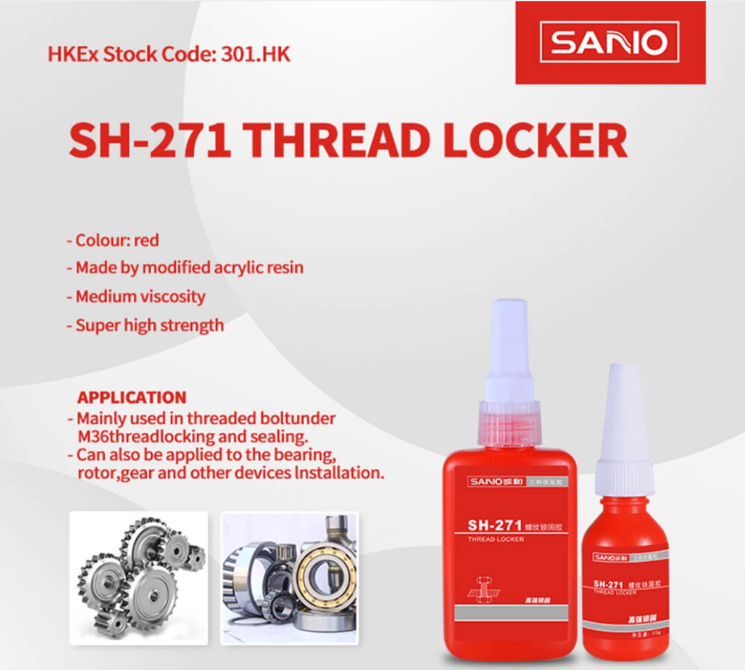
Sourcing Reliable Industrial Chemical Solutions
Choosing an industrial chemical supplier is about more than product specifications. Consistent quality, dependable production capacity, and reliable technical support all play an important role in maintaining a stable supply chain.
With over 30 years of manufacturing experience, SANVO Chemicals develops and produces anaerobic adhesives along with a broad portfolio of industrial chemical products for customers worldwide. The company integrates product development, manufacturing, and quality management to deliver consistent performance across different industries and applications.
Every production batch is manufactured under strict quality control and complies with internationally recognized quality management standards. Supported by in-house R&D, modern production facilities, and flexible OEM/ODM manufacturing services, SANVO works closely with distributors, industrial brands, and OEM partners to provide reliable products and long-term supply support.
Conclusion
High-strength threadlocker offers a dependable solution for securing threaded fasteners in demanding industrial applications. However, achieving the best results also depends on proper surface preparation, correct application, and allowing enough time for the adhesive to cure fully.
When applied correctly, high-strength threadlocker fills the microscopic gaps between mating threads to help prevent vibration loosening, reduce the risk of fluid leaks, and protect threaded assemblies from corrosion. These combined benefits improve joint reliability, reduce maintenance requirements, and help extend the service life of industrial equipment.