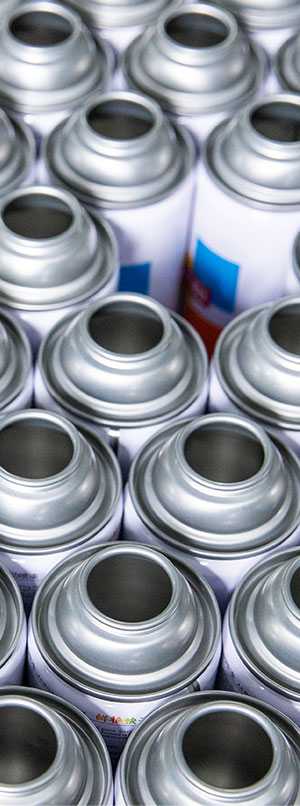
Heat and aerosol containers require careful handling because the risk does not come from the paint coating alone. An aerosol can contains both coating material and pressurized propellant, so storage temperature, direct heat exposure, and the condition of the container all matter. The question will spray paint explode in heat is really a question about how pressurized containers respond to excessive temperature and unsafe surroundings. At SANVO, we consider safe storage and handling an essential part of responsible aerosol use, particularly when spray products are kept in workshops, warehouses, retail areas, or vehicle repair environments.
Why Aerosol Cans React To Excessive Heat
An aerosol can is a pressurized container, meaning its internal pressure can change as temperature rises. Higher temperatures can increase vapor pressure inside the container, placing additional stress on the packaging.
That behavior differs from the way dried paint reacts to heat on a finished surface. Once a coating has been applied and cured, the concern is generally related to coating performance, whereas an unused aerosol can presents a pressurized-container safety issue.
The safety concern applies to pressurized aerosol cans before, during, and after use, because containers should not be pierced, burned, or exposed to excessive heat even after use. Excessive heating can create dangerous pressure conditions, particularly if the container is exposed to intense or prolonged heat.
Storage Conditions Matter
Aerosol products should be kept according to the manufacturer’s storage instructions and away from excessive heat sources. Direct sunlight, heaters, flames, hot machinery, and other high-temperature environments can create unnecessary risks for pressurized containers.
Storage location also deserves consideration. A warehouse may have significantly different temperatures near a roof, window, boiler, or poorly ventilated area compared with a shaded interior storage zone. Good warehouse planning can reduce avoidable exposure.
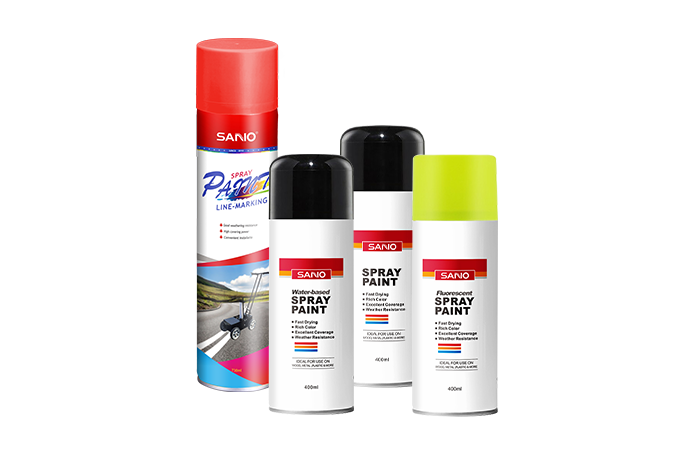
At SANVO, our aerosol products are developed for commercial environments that include hardware stores, vehicle repair shops, supermarkets, retail stores, and auto parts stores. The wide range of potential storage locations makes temperature awareness particularly relevant throughout distribution and handling.
Heat Exposure Is Different From Paint Heat Resistance
People sometimes confuse the thermal behavior of a painted surface with the safety of an aerosol can. These are separate issues. A coating designed for elevated-temperature applications does not mean its pressurized container can be placed beside a heat source.
Once paint has been sprayed onto a surface, the container and the coating become two different safety considerations. The can requires appropriate storage and handling, while the cured film needs to be evaluated according to its formulation, substrate, and operating environment.
For this reason, whether spray paint will explode in heat should not be answered by looking at the temperature tolerance of the finished coating. A product’s thermal application characteristics and its aerosol-container handling requirements must be treated separately.
Safe Handling In Workshops And Facilities
Workshops often contain several potential heat sources, including welding equipment, engines, furnaces, lamps, and heated machinery. Aerosol cans should not be casually stored beside these sources simply because the area is convenient for daily work.
Good housekeeping also reduces accidental exposure. Keeping cans away from flames and ignition sources, avoiding damaged containers, and following the label’s handling instructions are basic precautions that apply across professional and consumer environments.
Ventilation is another practical consideration during spraying. Aerosol application should take place in an appropriate area with sufficient ventilation and according to the product’s safety instructions. At SANVO, we recognize that responsible aerosol use involves both the coating itself and the environment in which it is applied.
What Buyers Should Check Before Use
Commercial purchasers should review more than the product’s color, finish, or application range. Storage requirements, handling instructions, container information, and applicable safety documentation can all affect how an aerosol product should be managed after delivery.
Distribution planning deserves similar attention. Large inventories may spend time in warehouses, transport vehicles, or retail storage areas, so temperature exposure should be considered throughout the supply chain rather than only at the moment of application.
A useful safety mindset asks several questions before the product reaches the work area: Is the storage location exposed to excessive heat? Are ignition sources nearby? Is the container damaged? Are the manufacturer’s instructions available to users? These practical checks provide a clearer basis for answering will spray paint explode in heat than relying on assumptions about the paint itself.
Conclusion
Aerosol safety begins with recognizing that the can is a pressurized container, not simply a package holding ordinary liquid paint. Excessive temperature can affect internal pressure, which is why storage, transportation, workplace conditions, and handling practices deserve careful attention. At SANVO, we view these considerations as part of responsible aerosol product use, alongside coating performance and application requirements. Understanding whether spray paint will explode in heat ultimately means distinguishing container safety from the thermal behavior of a finished paint film and keeping each issue within its proper context.