A freshly painted surface can look stable under ordinary conditions, yet heat introduces a very different set of demands. So, can spray paint withstand heat when the coated object regularly becomes hot? The answer depends on the formulation, temperature range, substrate, exposure duration, and intended application. At SANVO, we consider these variables together rather than treating temperature resistance as a single feature, because the right coating decision begins with understanding how the painted surface will actually be used.

What Happens To Paint Under Heat
Heat can affect a coating through several mechanisms. As temperature rises, components within the film may soften, discolor, lose adhesion, or undergo other changes if the formulation is not designed for elevated-temperature exposure. Ordinary decorative paint is not automatically suitable for heated equipment simply because it adheres well at room temperature.
Repeated heating and cooling can create another challenge. Metal expands as it becomes hotter and contracts as it cools, placing mechanical stress on the coating layer. A formulation intended for high-temperature applications needs characteristics that correspond with these changing conditions rather than relying solely on initial appearance.
Duration matters alongside peak temperature. A surface that briefly reaches a high temperature may place different demands on a coating than a component that remains hot throughout normal operation. Evaluating both factors gives a more realistic picture of coating suitability.
How To Judge Temperature Resistance
Product specifications provide the most useful starting point. A stated operating range tells users the temperature conditions for which a formulation is intended, while other technical information can help clarify whether it fits a particular substrate or application.
The question can spray paint withstand heat cannot be answered accurately without knowing the type of paint involved. Acrylic, alkyd, and other coating systems can have different performance characteristics, so assuming that every aerosol product behaves identically at elevated temperatures can result in an unsuitable selection.
Application conditions should be considered as well. Surface preparation, film thickness, ambient temperature, humidity, and spraying technique can influence the final coating. Technical data should be read together rather than reducing the selection process to one number printed on a label.
Selecting A Coating For Different Surfaces
Metal is a common substrate for heat-exposed components, including exhaust pipes, mufflers, radiators, heaters, grills, and chimneys. Such surfaces can experience substantial temperature changes, making both adhesion and thermal tolerance relevant to the coating decision.
Wood and ABS present different requirements. Although they may be suitable substrates for decorative or appearance-repair applications, they should not automatically be treated as equivalent to high-temperature metal components. The intended use and actual service environment must remain the basis for product selection.
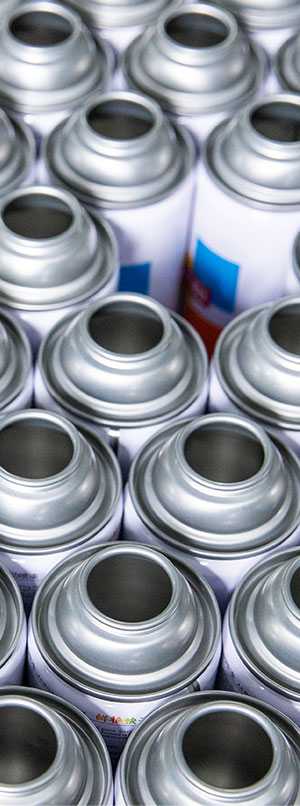
Our SANVO heat-resistant acrylic aerosol formulation is intended for surfaces operating from 400℃ to 600℃ and is suitable for decoration and appearance repair on metal, wood, and ABS substrates. The specified net content options are 250g/400ml and 200g/350ml, while the cans measure Φ65×158mm and Φ60×145mm respectively. These details provide useful reference points for distributors and maintenance purchasers assessing packaging and application requirements.
Storage And Product Usability
A coating’s practical value extends beyond the moment it is sprayed. Storage conditions can affect product usability, particularly when inventory is held for extended periods before reaching a maintenance team, distributor, or end user.
The specified shelf time for the SANVO heat-resistant aerosol formulation is 3 years when stored at room temperature. For professional purchasing teams, this information can assist with inventory planning and help distinguish products according to expected storage periods rather than immediate application alone.
Packaging dimensions and net content can also influence warehouse organization. A supplier handling several aerosol formats may need to consider shelf allocation, transportation arrangements, carton configuration, and stock rotation. These operational details are easy to overlook when attention is focused only on coating performance.
Practical Considerations Before Application
Surface preparation remains important even with a formulation intended for elevated-temperature environments. Dirt, grease, loose rust, or poorly bonded old coatings can interfere with adhesion, so the substrate should be appropriately cleaned and prepared before spraying.
The working environment deserves equal consideration. Ambient temperature and humidity may differ considerably from controlled specification conditions, which can change drying behavior. Applying the coating according to the manufacturer’s instructions provides a more consistent basis for achieving the intended finish.
A useful way to assess whether spray paint can withstand heat is to start with the equipment’s actual operating conditions, then compare those requirements against the coating’s stated temperature range and substrate recommendations. That process avoids treating all spray paints as interchangeable and makes the technical evaluation more meaningful.
Conclusion
Heat resistance is not a characteristic that can be judged from an aerosol can or finished appearance alone. Temperature exposure, heating duration, substrate type, surface preparation, environmental conditions, and storage requirements all contribute to the suitability of a coating. A thoughtful assessment begins with the application and works backward toward the product specifications.At SANVO, we formulate and provide aerosol coating solutions with defined application parameters so that users can evaluate them against real project requirements. The question of can spray paint withstand heat becomes much easier to address once the expected operating temperature, substrate, and intended purpose are clearly identified. Good coating selection is ultimately less about assumptions and more about matching verified product information to the conditions a surface will face.