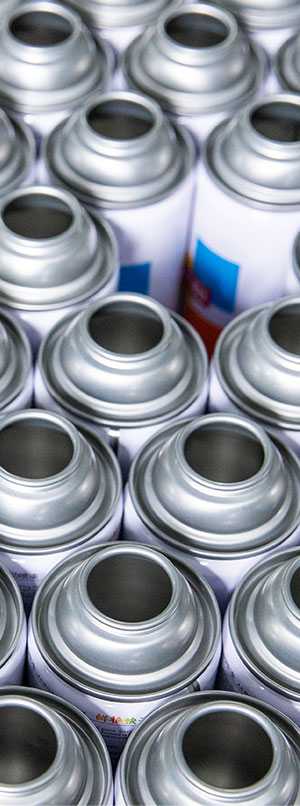
A well-organized parking area communicates its rules through more than signs and barriers. Lane boundaries, parking bays, pedestrian routes, arrows, and restricted spaces all contribute to how drivers and pedestrians interpret the same environment. Selecting car park line marking spray paint involves more than finding a visible color; surface type, traffic volume, weather exposure, application conditions, and maintenance requirements all deserve consideration.
We at SANVO understand that commercial customers often need both dependable coating solutions and responsive international support, particularly when projects span different regions and operating environments.
The Functional Role Of Parking Markings
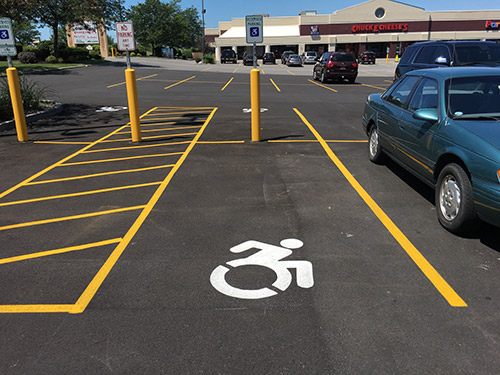
Parking lines establish a visual framework that helps drivers position vehicles consistently. Clearly defined bays can make better use of available space while reducing uncertainty during entry and exit. Directional arrows and lane markings provide additional information, especially in facilities with one-way circulation or limited visibility.
Pedestrian movement presents another consideration. Crossings, walkways, and access areas can be visually separated from vehicle routes through deliberate marking schemes. Such distinctions become especially valuable in busy car parks where drivers, cyclists, delivery personnel, and pedestrians may share the same physical environment.
Markings also communicate restrictions. Fire access zones, loading spaces, accessible parking areas, no-parking sections, and reserved bays often require clear visual differentiation. The exact colors and symbols should follow local regulations and the property’s own operating standards rather than relying on a universal scheme.
Surface Conditions And Coating Behavior
The pavement beneath a marking has a direct influence on application results. Concrete and asphalt differ in texture, porosity, surface temperature, and moisture behavior. Older surfaces may also contain dust, oil, loose aggregate, or remnants of previous coatings that interfere with adhesion.
Preparation should be treated as part of the marking process rather than an optional preliminary step. Removing contaminants, allowing damp surfaces to dry, and addressing loose material can provide a more suitable foundation. Existing painted areas may require additional assessment because compatibility between old and new coatings can affect the finished appearance.
Weather introduces further variables for outdoor projects. Temperature, humidity, wind, and rainfall can influence drying and film formation. Applying paint under unsuitable conditions may produce uneven coverage or extend the time before a marked area can return to normal traffic.
Color, Visibility, And Layout Planning
Color selection has a practical purpose in parking facilities. White is commonly associated with general bay and lane markings, while yellow may distinguish restrictions, boundaries, or other site-specific functions. Additional colors can be introduced where regulations or internal traffic-management systems call for them.
Visibility depends on more than pigment. Contrast against the pavement, line width, viewing distance, lighting, dirt accumulation, and weather conditions all affect how easily a marking can be recognized. A color that looks highly visible under bright daylight may behave differently under artificial lighting or after surface contamination.
Layout accuracy is equally important. A marking plan should account for vehicle dimensions, turning paths, pedestrian movement, column positions, drainage areas, and emergency access. Rather than painting first and correcting the layout afterward, facility managers can map the circulation system before application so that each line serves a defined operational purpose.
Applying Markings In High-Traffic Areas
Traffic intensity should influence material selection and maintenance expectations. Parking entrances, payment areas, turning points, and frequently occupied bays experience more mechanical contact than lightly used sections. Tires, cleaning equipment, dirt, and repeated vehicle movement can gradually affect the appearance of painted lines.
Application thickness requires control as well. Excessive material does not automatically produce a more durable marking and may affect drying behavior or surface uniformity. Consistent spraying technique, appropriate coverage, and suitable drying intervals contribute to a more stable finish.
Maintenance And Commercial Supply Considerations
A maintenance inspection can reveal more than simple color fading. Cracking, edge wear, peeling, loss of adhesion, surface contamination, and inconsistent line width may indicate different underlying problems. Identifying the reason for deterioration helps determine whether cleaning, localized repair, surface preparation, or broader repainting is appropriate.
Commercial operators should also consider how frequently the parking area can be taken out of service. Fast-drying materials can be useful where access restrictions need to remain short, but drying conditions still depend on the surrounding environment and application method. A realistic maintenance window should be established before work begins.
Supply and communication become increasingly relevant when marking materials are purchased across borders or used in multiple locations. Our international trade department has been established for 20 years and has over 30+ members with experience in customer service for various regions. Serving over 500 customers has enabled our team to respond quickly to diverse industry concerns.
Conclusion
Effective parking markings result from several decisions working together: the pavement must be prepared appropriately, the coating should suit the environment, colors need a clear purpose, and the layout has to reflect real vehicle and pedestrian movement. Even a highly visible marking can lose its value if poor application or neglected maintenance causes it to deteriorate prematurely. With SANVO, we combine coating manufacturing experience with international customer service, helping commercial buyers consider both the material itself and the wider requirements surrounding procurement and use. A thoughtfully designed marking system can make a car park easier to understand while supporting smoother movement throughout the space.