For companies that manage transportation fleets, construction equipment, or commercial vehicles, fuel expenses remain one of the largest operating costs. As maintenance managers look for practical ways to support engine reliability, one common question continues to arise: do fuel additives improve fuel system efficiency in everyday operation?
At SANVO, we work with distributors, wholesalers, and OEM customers supplying maintenance products to automotive and industrial markets. Rather than viewing fuel additives as performance enhancers, many professional users evaluate them as part of a long-term fuel system management strategy.
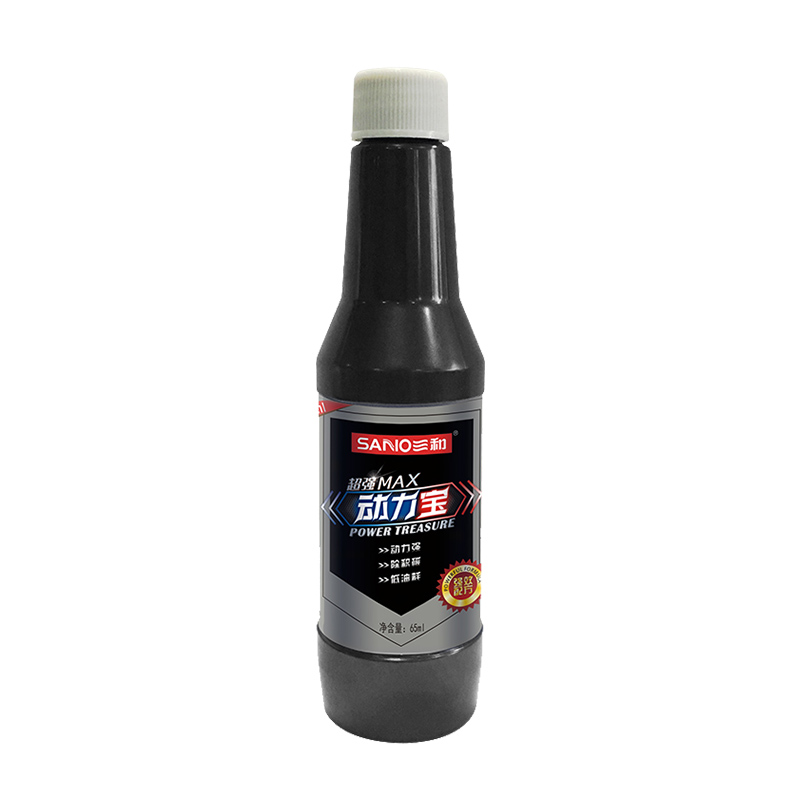
Fuel Quality Variations Create Operational Challenges
The discussion around whether fuel additives improve fuel system efficiency often begins with fuel quality itself. Commercial vehicles frequently operate across different regions, where fuel storage conditions, transportation processes, and seasonal changes can affect fuel characteristics.
Over time, contaminants, moisture, and combustion by-products may contribute to deposit formation within fuel injectors and related system components. Even minor changes in fuel atomization can influence combustion consistency. For fleet operators managing multiple vehicles, maintaining stable operating conditions across an entire fleet is often more important than pursuing maximum performance from individual units.
Fuel additives are commonly introduced as part of routine maintenance programs to help support fuel cleanliness and maintain consistent fuel delivery characteristics throughout extended operating periods.
Supporting Predictable Maintenance Planning
When asking “do fuel additives improve fuel system efficiency”, many commercial users focus less on short-term fuel savings and more on maintenance predictability.
Unexpected downtime can create significant operational costs. Delivery schedules, equipment utilization rates, and service availability all depend on reliable vehicle operation. Maintenance products that help reduce deposit accumulation may contribute to smoother fuel system performance between scheduled service intervals.
For distributors serving workshops and fleet maintenance centers, customers often prioritize products that integrate easily into existing maintenance procedures. In this environment, fuel additives are frequently used alongside filter replacement schedules, injector inspections, and routine engine servicing rather than as standalone solutions.
Efficiency Is Influenced by Multiple Factors
The answer to whether fuel additives improve fuel system efficiency depends on several operating conditions. Vehicle age, engine design, driving patterns, fuel quality, and maintenance practices all influence overall results.
For example, vehicles operating in congested urban environments may experience different fuel system conditions than those running long-distance highway routes. Equipment that remains idle for extended periods may also face fuel stability challenges that differ from continuously operating machinery.
Because operating conditions vary widely, professional buyers often evaluate fuel additives based on compatibility, consistency, and suitability for specific maintenance programs rather than relying solely on generalized performance claims.
Choosing Reliable Supply Partners
At SANVO, we manufacture fuel additives as part of a broader portfolio that includes industrial aerosols, maintenance chemicals, adhesives, and protective coatings. Many international distributors and OEM customers focus on factors such as manufacturing consistency, production capacity, packaging flexibility, and long-term supply reliability when selecting maintenance product suppliers.
For businesses serving automotive service networks or industrial maintenance markets, dependable product quality and stable supply chains are often as important as the product formulation itself.
Fuel Additives as Part of a Broader Maintenance Strategy
So, do fuel additives improve fuel system efficiency? In practical commercial applications, they are generally viewed as one component of an overall maintenance approach. Fuel additives may help support cleaner fuel system operation and contribute to consistent engine performance when used according to recommended procedures.
However, long-term efficiency is also influenced by proper servicing, quality fuel management, timely filter replacement, and regular system inspections. When combined with these practices, fuel additives can play a supporting role in helping businesses maintain reliable vehicle and equipment operation over time.