Luxury vehicles are engineered to provide refined acceleration, precise throttle response, and quiet engine operation. However, some vehicle owners report little noticeable difference after using fuel additives. This has led many automotive service providers and distributors to explore a different question: what factors influence how fuel additives improve driving experience in luxury cars?
At SANVO, we work with distributors, workshops, and OEM customers in the automotive chemical industry. In practical maintenance environments, fuel additives are only one part of the equation. Fuel quality, storage conditions, operating temperature, and application methods can all influence the final result.
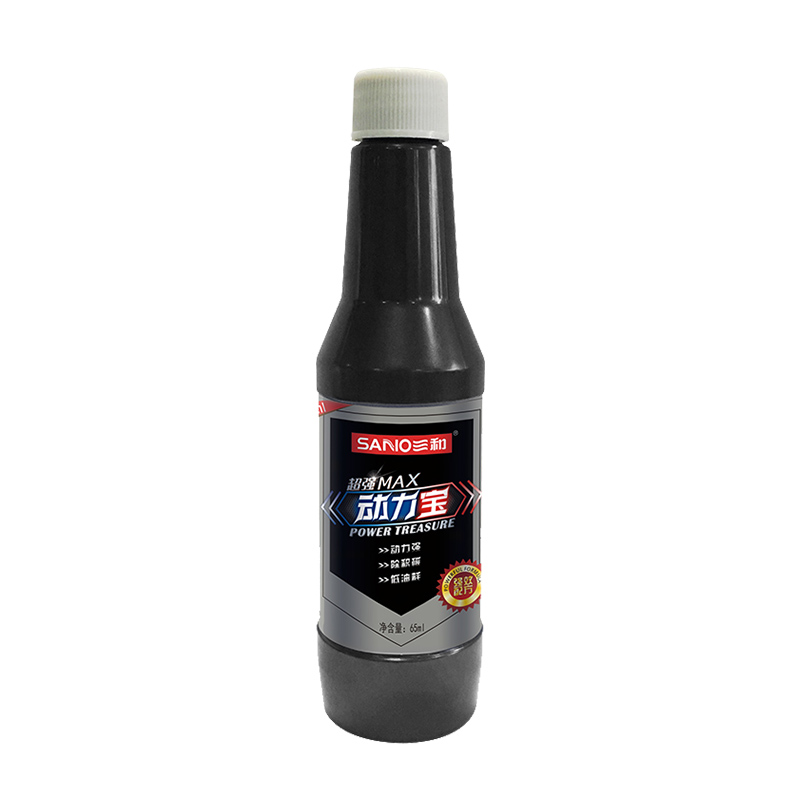
Fuel Quality May Have a Greater Impact Than Expected
Many premium vehicles are designed to operate with specific fuel grades. When lower-quality fuel or inconsistent fuel sources are used, combustion characteristics can change regardless of whether additives are present.
This is one reason discussions about how fuel additives improve driving experience in luxury cars often focus on fuel quality management. Additives can support fuel system maintenance, but they cannot fully compensate for fuel that does not meet the engine’s design requirements.
For workshops and fleet managers, understanding the relationship between fuel grade and engine performance is often more important than focusing solely on additive selection.
Incorrect Usage Can Reduce Effectiveness
Another factor that affects results is application practice. Some users add fuel additives more frequently than recommended, while others use excessive quantities in the hope of achieving faster results.
In commercial maintenance programs, product instructions are typically followed according to fuel volume and service intervals. Overuse may not provide additional benefits and can increase maintenance costs unnecessarily. Underuse may also limit the intended maintenance support.
For distributors and service providers, educating customers about proper application methods is often an important part of product value.
Seasonal Conditions Influence Fuel System Behavior
Temperature changes can affect fuel characteristics throughout the year. Cold weather may influence fuel atomization and combustion behavior, while high temperatures can accelerate fuel degradation during storage.
Luxury vehicles equipped with advanced fuel injection systems may respond differently to seasonal operating conditions compared with older engine designs. As a result, the answer to how fuel additives improve driving experience in luxury cars can vary depending on climate and regional usage patterns.
This is particularly relevant for markets where vehicles experience significant temperature differences between seasons.
Fuel Storage Conditions Matter
In many discussions about engine performance, fuel storage is often overlooked. However, fuel that remains in tanks for extended periods may gradually lose stability. Oxidation and contamination can contribute to residue formation before the fuel even enters the engine.
For premium vehicles that are driven infrequently, fuel condition may influence driving quality as much as injector cleanliness. Fleet operators, dealerships, and maintenance providers increasingly pay attention to storage-related fuel management when developing long-term vehicle care programs.
This broader perspective helps explain why some users notice different results from the same additive product under different operating conditions.
A Comprehensive Approach to Luxury Vehicle Maintenance
Understanding how fuel additives improve driving experience in luxury cars requires looking beyond the additive itself. Fuel quality, storage practices, seasonal temperatures, vehicle usage patterns, and maintenance schedules all contribute to overall driving characteristics.
At SANVO, we manufacture fuel additives for distributors, wholesalers, and OEM customers seeking reliable automotive chemical solutions. Our focus is not only on product formulation but also on supporting practical maintenance strategies that fit real-world operating conditions.
For automotive service providers and commercial buyers, fuel additives are most effective when integrated into a broader fuel management and preventive maintenance program. In luxury vehicle applications, consistent fuel quality and proper maintenance practices often play an equally important role in maintaining the refined driving experience that drivers expect.