Many manufacturers in coatings, adhesives, and aerosol production often ask whether ethyl acetate is miscible with water when selecting raw materials for industrial formulations. The short answer is no. Ethyl acetate and water can dissolve into each other only to a limited extent because their molecular structures behave differently. Water is highly polar, while ethyl acetate is moderately polar, so they separate into layers once the saturation point is reached. In industrial production, this characteristic affects drying speed, coating stability, cleaning efficiency, and storage conditions. At SANVO, we often discuss solvent compatibility with B2B customers who develop spray paints, adhesives, and waterproof coatings for large-scale manufacturing applications.
Understanding Solvent Interaction in Production
To answer is ethyl acetate miscible with water, it is important to understand how solvents interact during formulation. Ethyl acetate can absorb a small amount of water, and water can also dissolve a limited amount of ethyl acetate. However, they do not form a fully uniform mixture. In coating and aerosol manufacturing, this property helps control evaporation rates and surface performance. Many factories use ethyl acetate because it evaporates relatively quickly and supports smooth film formation in paints and adhesives. When excessive moisture enters the production process, separation may occur, which can influence consistency and storage stability. For this reason, industrial users usually manage humidity and raw material handling carefully during manufacturing operations.
Material Selection for Aerosol and Coating Systems
When discussing is ethyl acetate miscible with water, manufacturers are often evaluating how a solvent behaves inside a complete product system. In aerosol coatings and rubber-based spray paints, ethyl acetate is commonly used alongside other solvents to improve flow and drying characteristics. Our company supplies raw material solutions connected to industrial spray paint production, including applications related to rubber spray coatings. These products are designed for wholesale and OEM manufacturing projects that require stable production efficiency and consistent spraying performance. At SANVO, we focus on practical industrial requirements such as production capacity, formulation support, and compatibility with automated filling lines. Compared with some imported European solvent systems, locally integrated manufacturing can also help customers manage procurement and production costs more efficiently.
Why Solvent Compatibility Still Matters
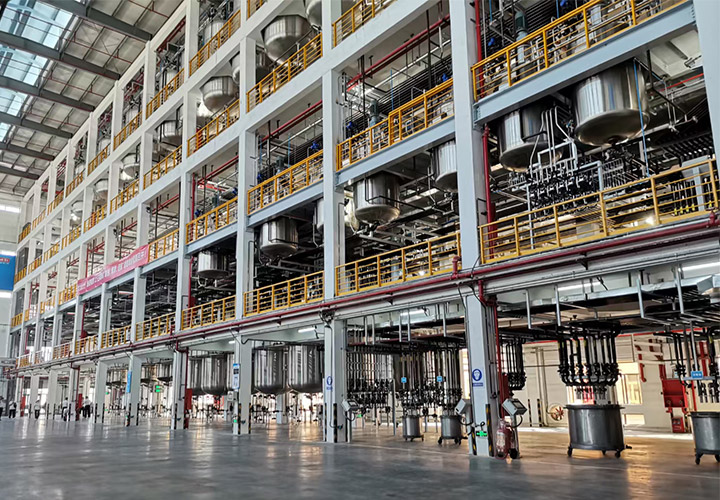
Industrial buyers continue searching for is ethyl acetate miscible with water because solvent compatibility directly affects product quality and factory operations. In many applications, a controlled balance between solvent volatility and moisture resistance is necessary to achieve stable coating results. Ethyl acetate remains widely used in paints, adhesives, and aerosol products because it supports efficient processing and reliable drying behavior in large-volume manufacturing environments. As a supplier serving B2B customers, SANVO provides aerosol chemicals, adhesive products, waterproof coatings, and related raw material support for OEM and wholesale cooperation. Our production experience, manufacturing systems, and formulation capabilities allow us to support customers working in construction materials, industrial coatings, and chemical distribution markets.