The debate around spray foam insulation often centers around a critical question: is spray foam insulation toxic? The straightforward answer is that while spray foam insulation can be hazardous when uncured, it is generally safe once fully cured. This article examines the safety profile of spray foam insulation, focusing on its chemical composition and application methods.
The Chemical Makeup of Spray Foam Insulation
To address the question of is spray foam insulation toxic? it’s essential to first understand its chemical components. Spray foam insulation typically consists of polyols and isocyanates, which react during application to create a solid foam. While these chemicals are vital for achieving the insulation properties desired, concerns have been raised about potential health risks.
When applied correctly and allowed to cure fully, spray foam insulation generally poses minimal health risks. However, exposure to uncured foam can lead to respiratory problems, skin irritation, and other ailments. Therefore, it’s important to handle spray foam insulation with care, ensuring that proper safety precautions are adopted during installation.
Ensuring Safe Application Practices
So, how can businesses ensure that the use of spray foam insulation is safe? The key lies in proper application techniques. When asking is spray foam insulation toxic? it’s crucial to emphasize that following manufacturer instructions can significantly reduce risks. This includes wearing appropriate personal protective equipment (PPE), ensuring adequate ventilation, and allowing sufficient time for the foam to cure before re-entering the area.
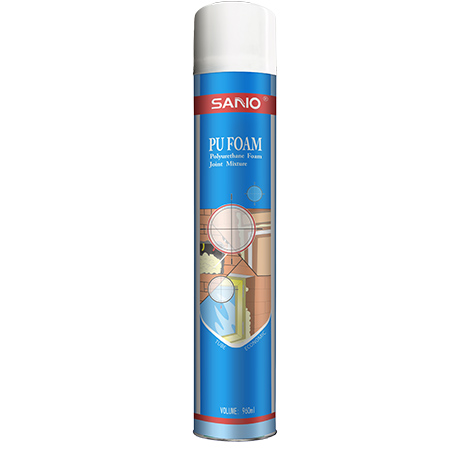
Choosing high-quality products from reputable manufacturers also contributes to safety. For example, SANVO PU Foam Spray is a one-component, moisture-cured polyurethane foam designed for various applications, including filling, bonding, and sealing in construction. By opting for established brands like SANVO, businesses can ensure that they are using materials that meet safety standards.
Long-Term Safety and Environmental Impact
Beyond immediate health concerns, businesses must consider the long-term implications of using spray foam insulation. This includes factors such as environmental impact and sustainability. When fully cured, spray foam insulation is not considered hazardous waste and can contribute positively to a building’s energy efficiency.
However, concerns about the potential release of volatile organic compounds (VOCs) during initial application lead to the question of whether spray foam insulation is toxic. Business owners should aim for low-VOC formulations to mitigate these concerns further. SANVO’s PU Foam Spray not only provides versatility but also aligns with safety and environmental standards, making it a sound choice for modern construction projects.
Choosing SANVO for Safe Insulation Solutions
Addressing the question, is spray foam insulation toxic? encourages businesses to delve deeper into safety practices and product quality. At SANVO, we prioritize safety and efficacy, offering PU Foam Spray specially designed for construction applications, including sound insulation and moisture-proofing.
By choosing SANVO, you partner with a brand committed to providing high-quality, reliable insulation solutions that meet your project needs. Together, let’s ensure that your insulation projects are both effective and safe, paving the way for a better-built environment. Your peace of mind begins with selecting the right materials, and SANVO is here to support your journey.