For many years, sealants and adhesive materials have played an important role in construction, automotive assembly, and industrial maintenance. Among the materials frequently discussed in these applications, the silane crosslinking agent remains closely connected with the performance of silicone sealants. From our industry experience, this type of chemical component contributes to curing behavior, bonding stability, and resistance properties that are important for long-term use in demanding environments.
The Function of Crosslinking in Sealants
A silicone sealant depends on chemical reactions to form a stable elastic structure after application. In this process, the silane crosslinking agent helps create connections between polymer chains during curing. These connections influence flexibility, adhesion, and environmental resistance once the sealant has fully reacted.
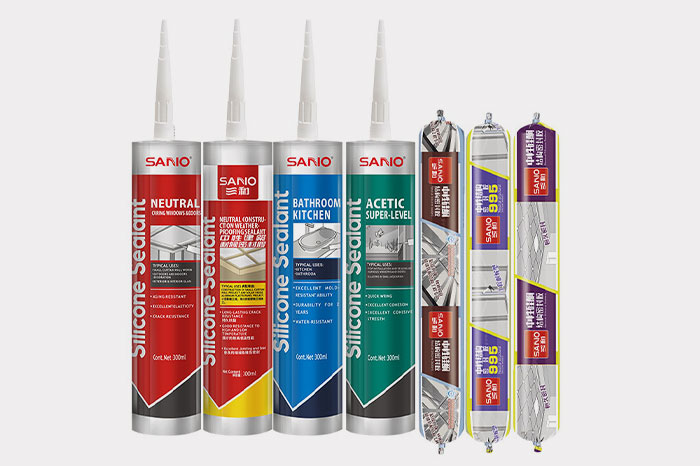
Sealants are commonly exposed to moisture, heat variation, sunlight, and mechanical stress. Because of this, manufacturers focus heavily on maintaining balanced curing performance. Based on the information provided in the linked product category, silicone sealants are widely used for bonding, sealing, waterproofing, and gap filling across construction and industrial sectors.
The curing process also affects practical handling during installation. A controlled reaction allows the material to spread evenly and develop reliable adhesion on compatible surfaces. For contractors and maintenance teams, consistency during curing often matters just as much as final appearance.
Material Compatibility and Application Areas
The silane crosslinking agent is valued partly because it supports compatibility with different substrates. Silicone sealants are frequently applied on glass, aluminum, ceramics, and several construction materials where flexibility and weather resistance are required.
In building projects, sealants may be exposed to rain, ultraviolet light, and temperature fluctuation for extended periods. A stable crosslinking system helps the cured sealant maintain elasticity without becoming excessively brittle. This characteristic is especially relevant for expansion joints and exterior sealing applications.
Automotive assembly also relies on silicone-based sealing materials for areas exposed to vibration and changing temperatures. Industrial users often evaluate whether a cured sealant can maintain adhesion while tolerating environmental stress over time. The quality of the crosslinking reaction contributes directly to these operational expectations.
Factors That Influence Sealant Performance
Although the silane crosslinking agent supports curing behavior, overall sealant performance still depends on formulation balance and application conditions. Surface preparation, humidity, temperature, and substrate cleanliness can all influence final bonding results.
Professionals in the adhesive and sealant sector generally recommend following the specified curing instructions carefully. Even high-quality materials may not perform consistently if applied on contaminated or poorly prepared surfaces. In many cases, failures attributed to the sealant itself are actually linked to improper application procedures.
At SANVO, we pay close attention to how silicone sealant formulations perform under practical working conditions. According to the product information available on our website, SANVO silicone sealants are intended for bonding, sealing, waterproofing, and filling applications where stable adhesion and flexibility are important considerations.
Long-Term Maintenance Considerations
Sealant maintenance is often overlooked until visible cracking or leakage appears. However, the durability of cured silicone materials is strongly connected to environmental exposure and material compatibility. Proper formulation and curing chemistry help reduce the risk of early deterioration.
The silane crosslinking agent also contributes to the sealant’s resistance to moisture and external weather conditions. In construction and repair environments, this stability supports longer service intervals and more reliable sealing performance over time.
Silicone sealants continue to serve an important role across construction, automotive, and industrial applications because they provide flexibility and environmental resistance after curing. The silane crosslinking agent is one of the chemical components that supports this curing structure and helps maintain adhesion performance. When combined with correct application practices and compatible substrates, these materials can provide stable sealing results for a wide range of professional uses.