Evaluating the safety profile of raw chemical ingredients remains a primary operational protocol for industrial buyers and manufacturing companies. When assessing aromatic hydrocarbons used in coatings, manufacturing managers frequently ask: Is xylene carcinogenic? According to the classifications maintained by the International Agency for Research on Cancer, which is a specialized agency of the World Health Organization, this chemical substance is currently placed in Group 3. This specific categorization signifies that the chemical compound is not classifiable as to its carcinogenicity to humans due to inadequate evidence in both human case studies and experimental animal laboratory trials. While the liquid requires strict operational handling guidelines to mitigate central nervous system risks and respiratory irritation from vapor inhalation, current toxicological research does not confirm that long-term contact initiates malignant cellular developments. For businesses integrating raw inputs into manufacturing processes, maintaining proper ventilation and adherence to standard occupational exposure limits ensures a secure environment for workforce teams without the elevated hazard profiles associated with known hazardous chemical substances.
Chemical Properties and Safety Protocols in Manufacturing Environments
Industrial processing facilities must carefully analyze safety data sheets to maintain comprehensive chemical risk assessments on the shop floor. Because the question of whether xylene is carcinogenic arises often during regulatory audits, chemical procurement officers must distinguish between confirmed systemic health hazards and standard operational risks. This specific aromatic mixture, featuring three distinct isomers, is highly valued for its high solvency power and precise evaporation rates in synthetic formulation work. Rather than presenting chronic cell-mutation hazards, the primary safety considerations involve its high flammability and potential acute toxicity if vapors accumulate beyond legal threshold limits. Industrial compliance teams manage these factors by installing robust local exhaust ventilation systems and utilizing spark-resistant containment equipment. By focusing heavily on empirical environmental metrics rather than unverified chemical assumptions, commercial enterprises can successfully utilize these effective solvents to achieve superior operational results while maintaining complete alignment with global labor protection laws.
Raw Material Sourcing for Protective Coating Formulations
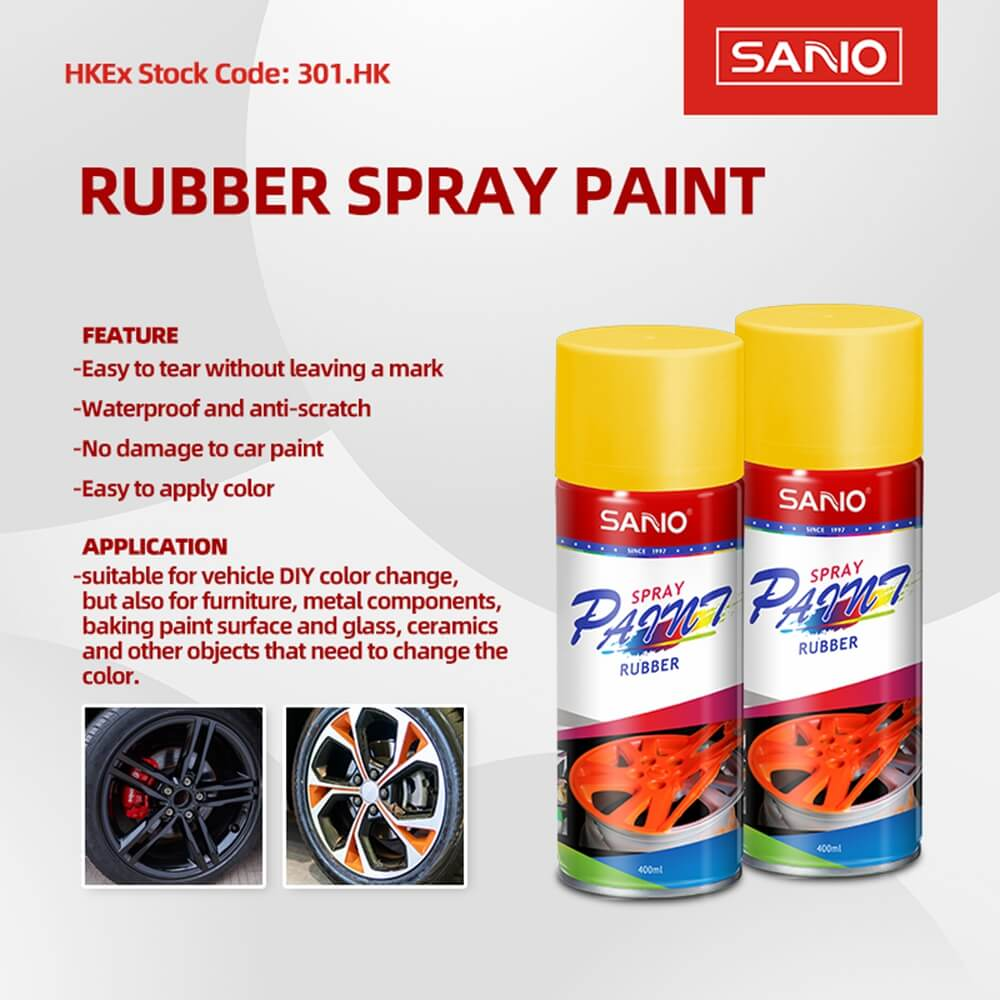
Understanding the precise physical properties of aromatic components allows chemical synthesis plants to engineer stable commercial paint products. For enterprise buyers investigating if is xylene carcinogenic during the raw material vetting process, the practical focus remains on safe formulation integration, particularly regarding our specialized rubber spray paint line. Within this manufacturing framework, the solvent serves as a critical thinning agent that keeps synthetic polymers in an optimal liquid state for consistent pressurized aerosol delivery. Our technical specialists carefully refine these formulas to guarantee that once the coating is discharged onto a surface, the volatile elements evaporate completely into the atmosphere under controlled air currents, leaving behind a stable, solid, and non-hazardous protective rubber layer. Through disciplined laboratory oversight and raw material batch tracking, our company delivers reliable protective solutions that maintain strict compliance with global environmental regulations, proving that structured chemical engineering mitigates operational risks for heavy industries.
Optimizing Global Procurement with Scalable Chemical Solutions
Navigating modern supply constraints requires an agile manufacturing partner capable of transforming raw material safety into predictable commercial value. SANVO addresses these global B2B procurement challenges by delivering certified aerosols, heavy-duty adhesives, and advanced architectural waterproof systems through our integrated wholesale and contract OEM divisions. Driven by an internal R&D department and an industrial workforce exceeding 1,000 specialists, our production facility runs multiple automated assembly lines to guarantee uninterrupted order fulfillment. This vertically optimized manufacturing structure allows our company to bypass unnecessary intermediary expenses, yielding a distinct pricing advantage that easily competes with traditional European suppliers. By leveraging our diverse quality certifications and extensive cross-border trade experience, we provide international distributors with stable, compliant chemical solutions that safeguard your overhead budgets and reinforce your market position without sacrificing technical precision.