Ethyl acetate is widely discussed in industrial formulation work, especially in coatings, adhesives, and cleaning agents used in manufacturing environments. In our daily technical communication at SANVO, we often receive questions about whether ethyl acetate is organic, particularly from customers involved in surface treatment and aerosol production. From a chemical classification perspective, ethyl acetate is commonly recognized as an ester derived from ethanol and acetic acid, and it is frequently used as a solvent in industrial applications where controlled evaporation is required. This makes it relevant for products such as rubber spray paint used in protective and decorative coatings.
Chemical Characteristics in Manufacturing Use
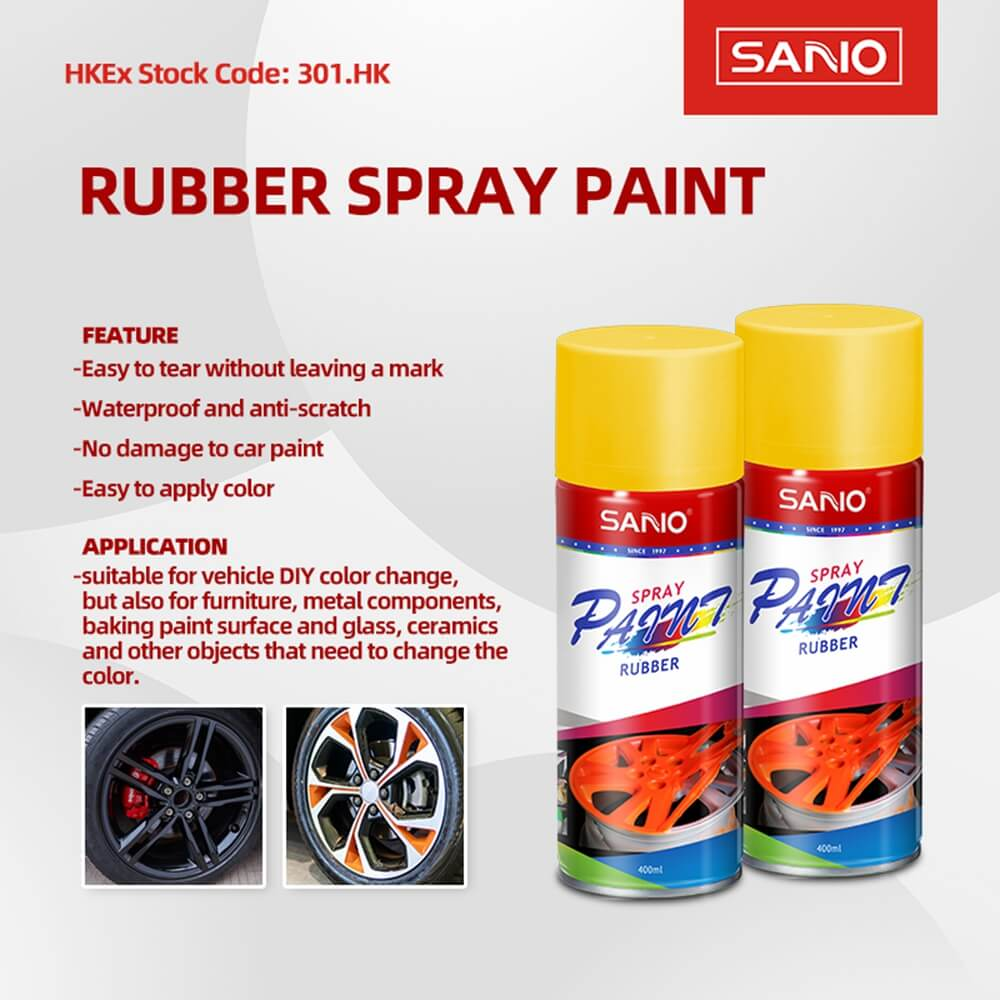
In industrial production, solvent selection plays an important role in ensuring stable output and consistent performance across different batches. When discussing whether ethyl acetate is organic, we usually explain to our partners that it belongs to a class of organic esters formed through standard esterification reactions under controlled processing conditions. At SANVO, formulation teams evaluate multiple parameters such as evaporation rate, resin compatibility, and odor behavior when applying this solvent in coating and adhesive systems. In rubber spray paint applications, ethyl acetate helps control drying speed while supporting smooth film formation, which is important in controlled spraying environments where surface uniformity is required. It is also used to help adjust viscosity during application, allowing more stable atomization in aerosol systems used in industrial coating lines.
Safety and Regulatory Considerations
From a regulatory standpoint, solvents used in manufacturing are assessed based on exposure limits, volatility behavior, and environmental impact. Our company SANVO follows established production standards to ensure compliance across different international markets and industrial applications. Ethyl acetate is generally regarded as a volatile solvent, so proper ventilation and handling procedures are required during use to reduce workplace exposure risks in production environments. It is also considered in environmental evaluations due to its relatively biodegradable characteristics compared with some alternative solvents. In coating and adhesive industries, manufacturers often need to balance processing efficiency, drying performance, and operational safety when selecting raw materials for formulation design and large-scale production.
Practical Outlook in Coating Formulations
In real formulation practice, solvent behavior directly influences coating performance, stability, and application efficiency during production. When addressing is ethyl acetate organic, we explain that it is an organic ester widely used to adjust solubility parameters and evaporation balance in coating systems. This property makes it suitable for aerosol-based products, adhesives, and industrial spray applications where consistent drying speed is required. In our operations, SANVO applies this solvent in selected coating systems where stable spraying behavior and uniform surface coverage are needed across different substrates. Rubber spray paint is one example where solvent stability contributes to consistent film formation and predictable application results during mass production. At the same time, we support industrial customers with OEM and bulk supply services, helping them adapt formulation parameters such as drying time, viscosity control, and compatibility with different resin systems according to project requirements. This allows manufacturers to integrate materials into existing production workflows without major process disruption while maintaining stable output quality across batches.