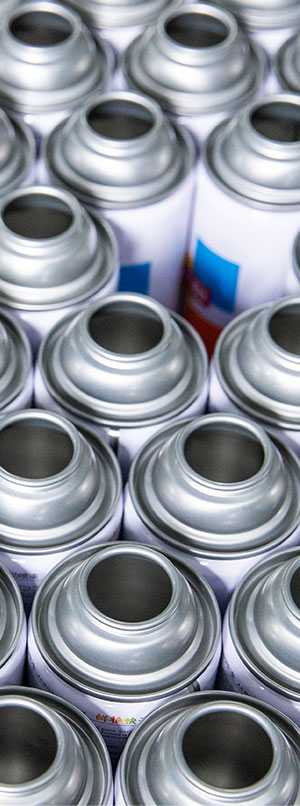
Many fleet operators, workshops, and industrial buyers ask “what is a fuel system cleaning” when dealing with unstable engine performance or rising fuel consumption. In practical terms, the process refers to removing carbon deposits, varnish, and other contaminants from fuel injectors, intake valves, fuel lines, and related engine components. Over time, fuel residue can restrict flow and affect combustion efficiency, especially in commercial vehicles and equipment that operate under heavy workloads. Regular maintenance helps reduce buildup and supports smoother engine operation. For customers managing transportation fleets or service centers, understanding maintenance intervals and cleaner compatibility is important when selecting related chemical products.
Fuel Deposits and Their Impact on Equipment
To answer “what is a fuel system cleaning” more clearly, it is necessary to understand how deposits form inside an engine. During combustion, incomplete burning of fuel can leave residue on injectors and intake components. Poor fuel quality, long idle periods, and stop-and-go driving conditions may accelerate this process. As buildup increases, engines can experience rough idling, slower throttle response, or increased exhaust emissions.
In commercial applications, these issues may influence operational efficiency and maintenance planning. Cleaning products are often added directly to the fuel tank so that active ingredients can circulate through the system during normal engine operation. Some service providers also use professional cleaning equipment for deeper maintenance procedures. The choice depends on vehicle condition, engine type, and maintenance schedules used by workshops or fleet operators.
Product Selection for Industrial and Workshop Buyers
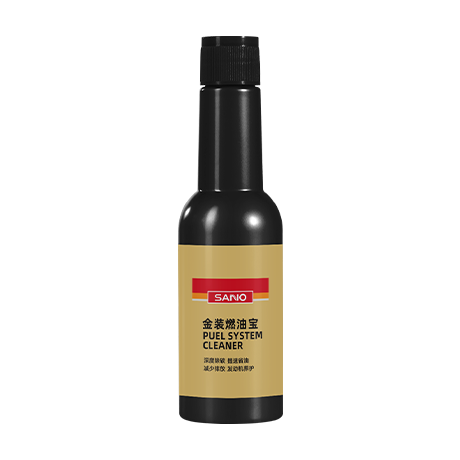
When purchasing maintenance chemicals in bulk, distributors and service companies usually focus on compatibility, packaging stability, and production consistency. At SANVO, we manufacture aerosol products and automotive maintenance chemicals for OEM and wholesale customers. Our fuel system cleaner is designed to help remove deposits from injectors and combustion areas while supporting stable fuel flow during regular operation.
For professional buyers, packaging options and supply capability are often as important as product formulation. Our company operates automated production lines and maintains multiple manufacturing certifications to support long-term cooperation projects. Compared with some imported brands, locally manufactured chemical products may also help distributors control procurement costs while maintaining stable supply arrangements. This is one reason many regional automotive maintenance suppliers evaluate domestic manufacturing partners for routine service chemicals.
Maintenance Planning for Long-Term Engine Operation
For workshops creating preventive maintenance plans, the question “what is a fuel system cleaning” is connected to service timing rather than a single repair task. Vehicles operating in logistics, construction, or commercial transportation environments often accumulate deposits faster because of heavier engine loads and extended driving hours. Regular inspection of injectors and fuel delivery performance can help technicians determine when cleaning treatment may be necessary.
Our company also provides aerosol products, adhesives, and waterproof coating materials for industrial customers in different sectors. Along with product supply, we support OEM cooperation, customized packaging, and stable production scheduling for international buyers seeking long-term chemical manufacturing partners. By combining practical maintenance knowledge with consistent manufacturing capability, we aim to support distributors and service companies in automotive care and industrial maintenance markets.