Silicone sealant is a versatile product that is commonly used for sealing purposes. However, many people wonder if it can also be used as an adhesive. Actually, silicone sealant is known for its excellent weather resistance and long-lasting sealing properties. It adheres well to a variety of surfaces, making it suitable for sealing applications such as sinks, aquariums, and windows. While silicone sealant is primarily designed for sealing, it can also be used as an adhesive in certain situations.
In this article, we will explore the properties of silicone sealant and discuss its suitability for use as an adhesive. We will also provide some helpful tips for using silicone sealant effectively in adhesive applications.
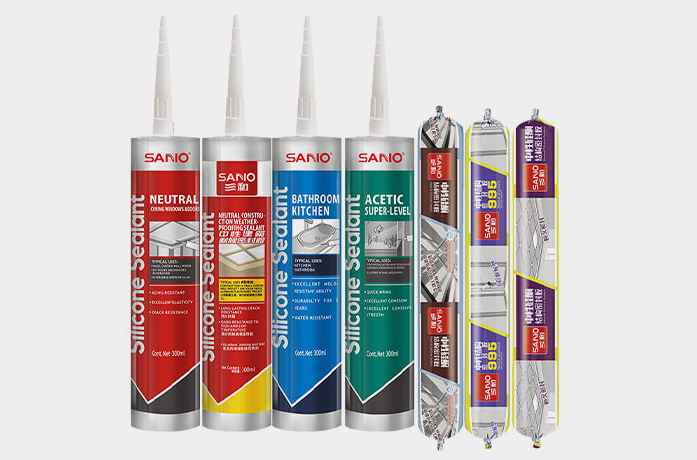
Can Silicone Sealant Be Used as an Adhesive
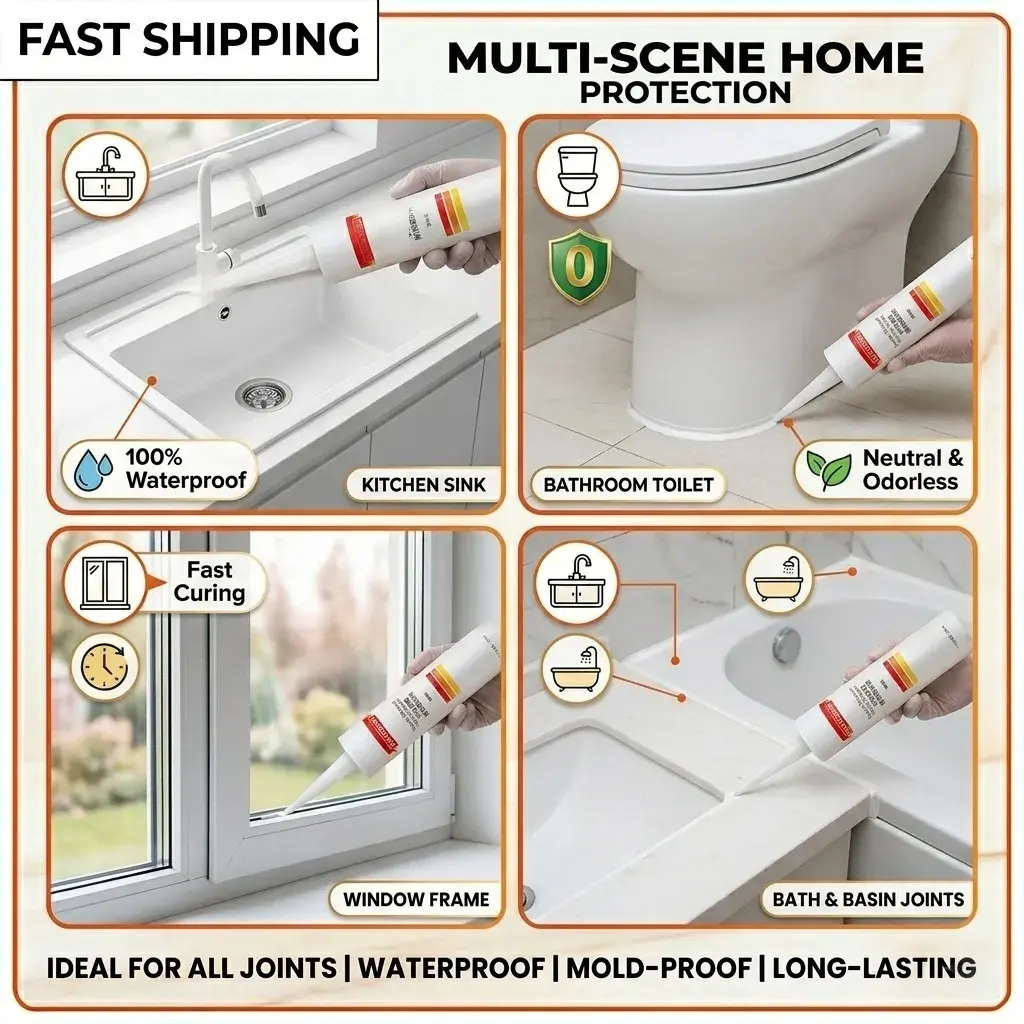
Yes, silicone sealant can be used as an adhesive for light-duty bonding applications. Beyond its traditional role as a gap filler, silicone creates a durable, flexible bond across a variety of common materials. In daily life, it is widely used to join glass-to-glass structures (such as aquariums), adhere metal components (like window frames, door trim, and vehicle glass), set ceramic tiles around mirrors, sinks, and toilets, and secure various plastic parts in DIY crafts.
When considering whether you should use silicone as glue as well as a sealant, general-purpose silicone sealants are fully capable of handling both tasks for non-structural projects. Adhesion strength is mechanically measured in Megapascals (MPa). For standard light-duty tasks, high tensile strength is not required; for example, SANVO Neutral Silicone Sealant features a tensile strength between 0.4 MPa and 0.5 MPa, making it ideal for flexible, light-load bonding.
In industrial and structural material science, high bond strength typically starts around 20 to 30 MPa, which is characteristic of heavy-duty structural adhesives, epoxies, and dental bonding agents used to support load-bearing architectural panels or high-stress mechanical joints. If your project demands high load-bearing capability or high tensile strength, you should skip multi-purpose silicone and opt for a specialized structural adhesive instead.
SANVO Sealants for Adhesive Applications
SANVO Company’s silicone sealants have found unique applications as adhesives in various industries. Here are some instances where our sealants shine:
Household Repairs and Crafts: SANVO silicone sealants are an excellent choice for household repairs and craft projects. They can securely bond items like ceramic tiles, glass ornaments, or plastic components. Thanks to their flexibility and durability, they excel in situations where a strong yet not load-bearing bond is required.
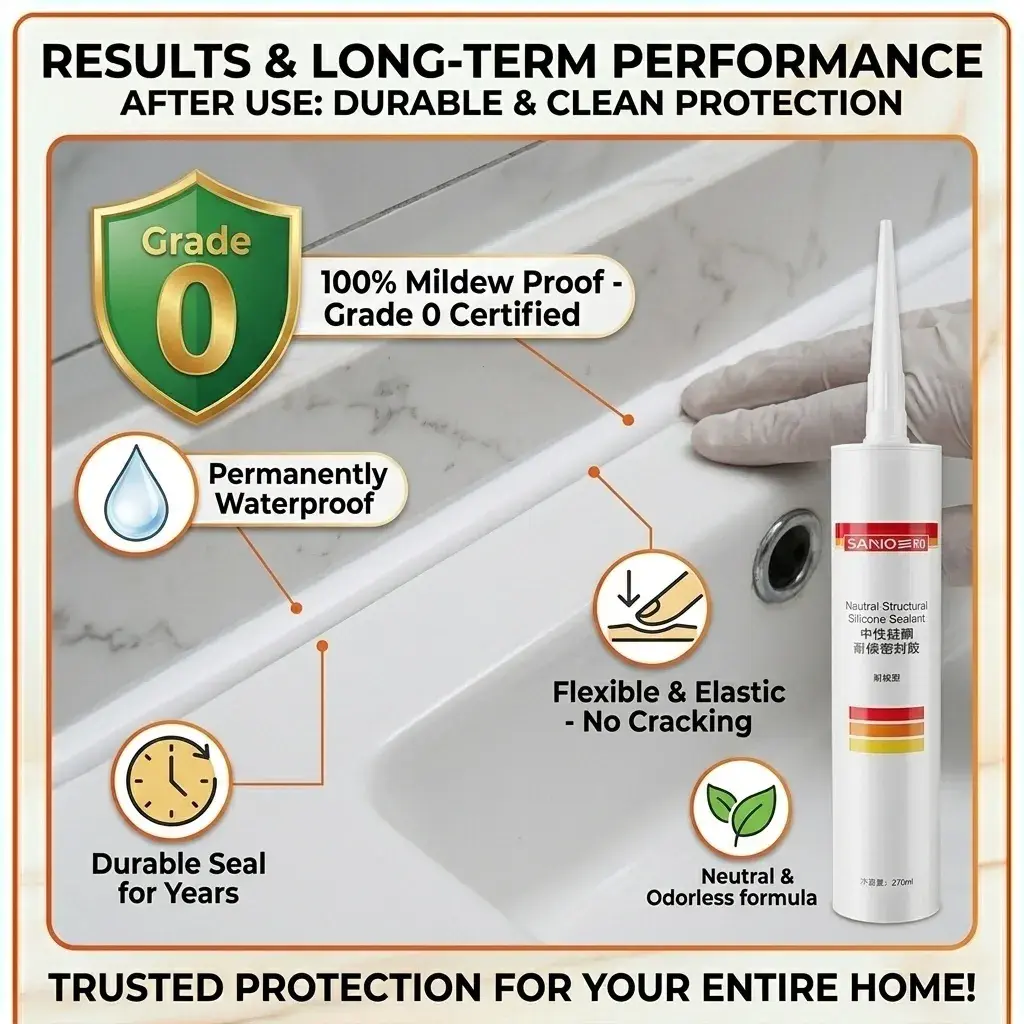
Sealing and Bonding in Wet Environments: What sets SANVO silicone sealants apart is their resistance to moisture. This quality makes them perfect for applications where a watertight seal is essential, such as bathrooms or kitchens. Beyond sealing, they can also serve as adhesives for fixtures, tiles, mirrors, and more.
Automotive Excellence: In the automotive sector, SANVO silicone sealants are commonly employed for gasketing, sealing, and adhesive applications. They can securely attach trim pieces, bond glass in place, and offer superior resistance to the elements. However, for load-bearing or high-stress areas, specialized automotive adhesives may be recommended.
Conclusion
SANVO takes pride in presenting silicone sealants that not only excel at sealing but also exhibit remarkable adhesive capabilities. While silicone sealants can be used as adhesives in specific situations, it’s essential to evaluate the demands of your particular task and select the most suitable adhesive accordingly. For heavy-duty or load-bearing applications, specialized adhesives may be preferable. Always consult SANVO Company’s guidelines for optimal practices when utilizing our silicone sealants as adhesives. Trust in SANVO’s expertise and quality for your sealing and adhesive needs.